Women of Heritage & Freedom

The Women Who Stood Beside Freedom

Honoring the African American women whose courage, leadership, and service helped sustain the fight for liberty during the Revolutionary War and the Civil War.

Women of Heritage & Freedom

The story of America's fight for freedom cannot be told without the women who stood beside it. Though many never carried a musket or wore a military uniform, African American women served as nurses, scouts, spies, educators, laborers, abolitionists, and protectors of their families and communities. Their courage, resilience, and sacrifice helped sustain the struggle for liberty, and their stories deserve to be preserved alongside those of the soldiers they supported.

Revolutionary War · 1775–1783
Women of the American Revolution

As the colonies fought for independence, African American women — free and enslaved — sustained the struggle in ways history too often overlooked. They nursed the wounded, carried messages, provisioned troops, and gave voice through the written word to the ideals of liberty for all.

Revolutionary War · 1775–1783

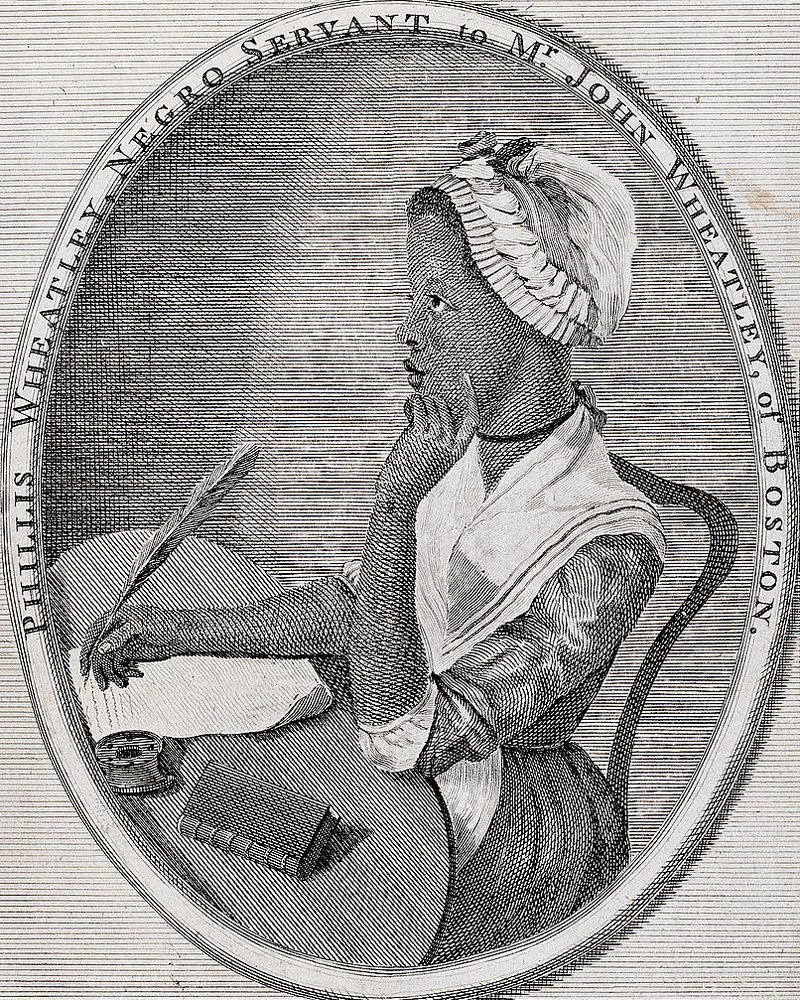
Engraved frontispiece portrait of Phillis Wheatley seated at a writing desk with quill in hand, published 1773.
Engraving, 1773 · Library of Congress (public domain)

Phillis Wheatley

Patriot Poet

One of America's first published African American poets, Phillis Wheatley used her writing to encourage the Patriot cause and demonstrate the intellect and humanity of African Americans during the Revolutionary era. Her work inspired many who believed liberty should extend to all people.
Revolutionary War · 1775–1783

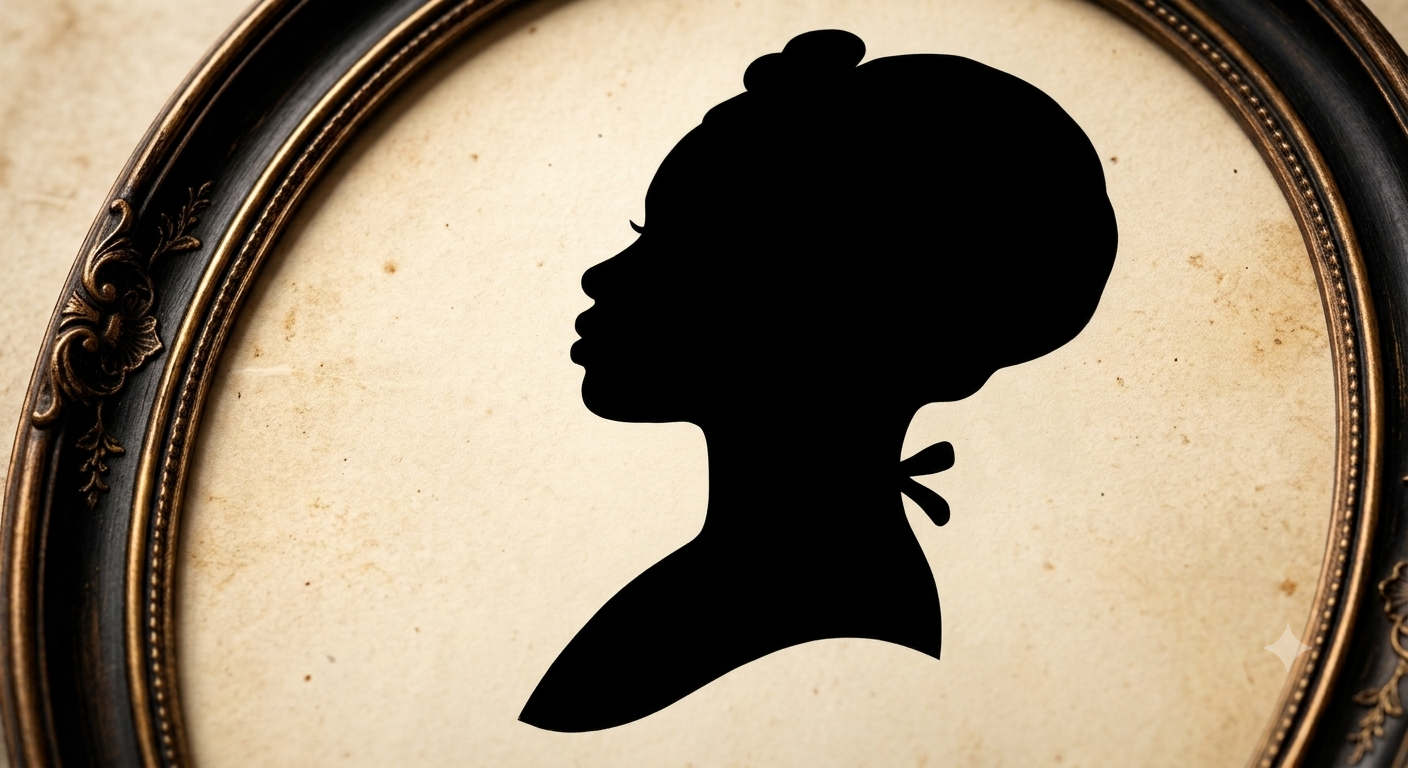
No verified portrait of Mammy Kate is known to exist.
No verified portrait is known to exist.

Mammy Kate

Patriot Supporter

Remembered in Georgia history for helping Colonel Stephen Heard escape British captivity, Mammy Kate represents the courage and determination of enslaved Black women who risked everything in pursuit of freedom.

Revolutionary War · 1775–1783

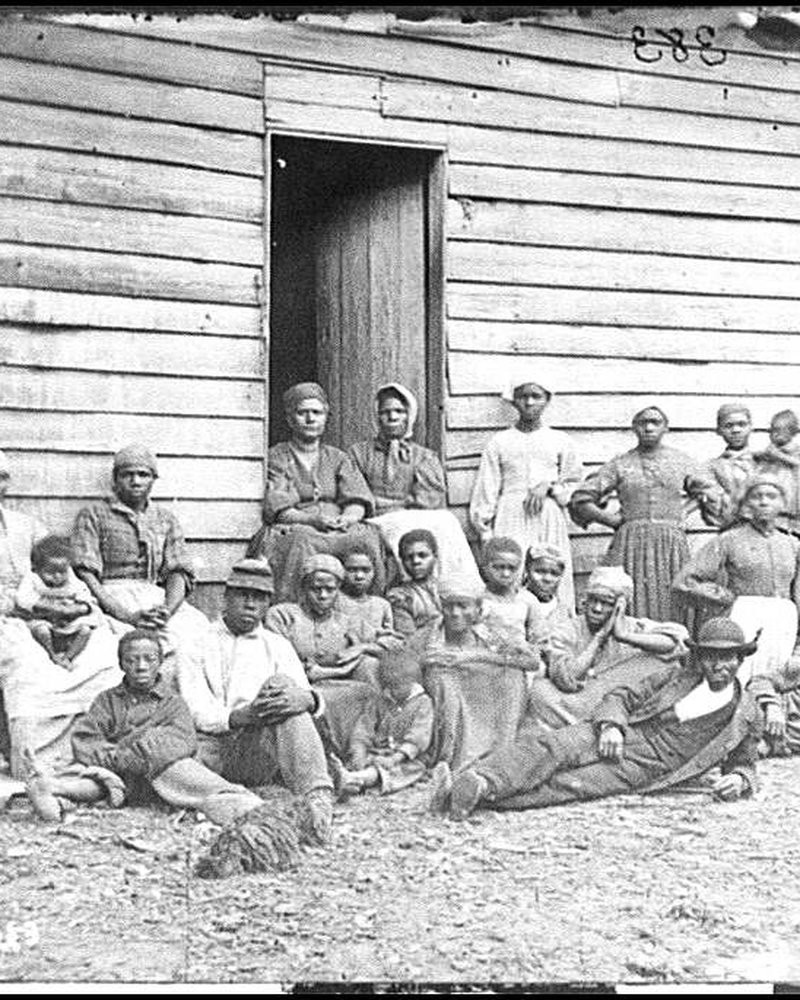
Period photograph of a group of formerly enslaved African American men, women, and children gathered outside a farmhouse during the Civil War.
Period illustration · Library of Congress. No single portrait exists for this group.

Black Camp Followers

Military Support

Thousands of African American women accompanied Patriot and British armies, serving as cooks, laundresses, nurses, seamstresses, and laborers. Their work kept military camps functioning despite rarely receiving recognition in historical records.

Revolutionary War · 1775–1783

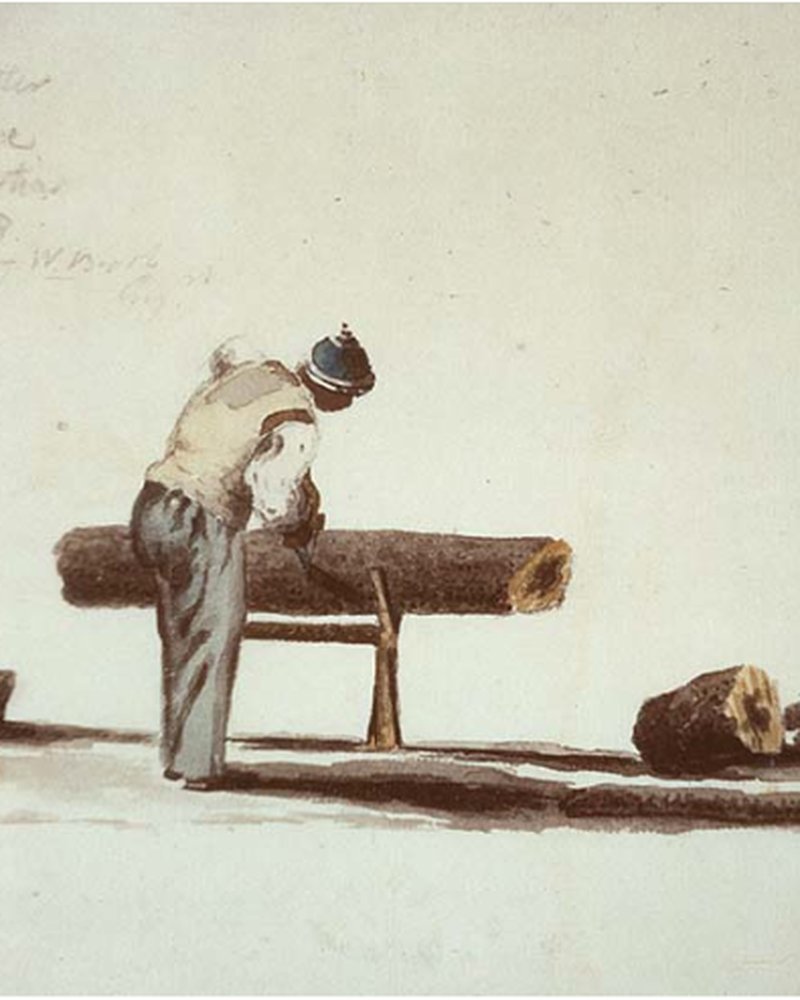
1788 watercolour by Captain William Booth depicting a Black Loyalist resident of Shelburne, Nova Scotia.
Watercolour by Capt. William Booth, 1788 (public domain). Representative period illustration.

Black Loyalist Women

Loyalist Refugees

Many enslaved women sought freedom by joining the British during the Revolutionary War. Following the conflict, many rebuilt their lives in Nova Scotia, England, and Sierra Leone while preserving their families, communities, and traditions.

Civil War · 1861–1865

Women of the Union and Emancipation

During the Civil War, African American women served as nurses, scouts, spies, teachers, and laborers, and led thousands to freedom. Their courage on battlefields, in contraband camps, and along the roads of the Underground Railroad helped bring an end to slavery.

Civil War · 1861–1865

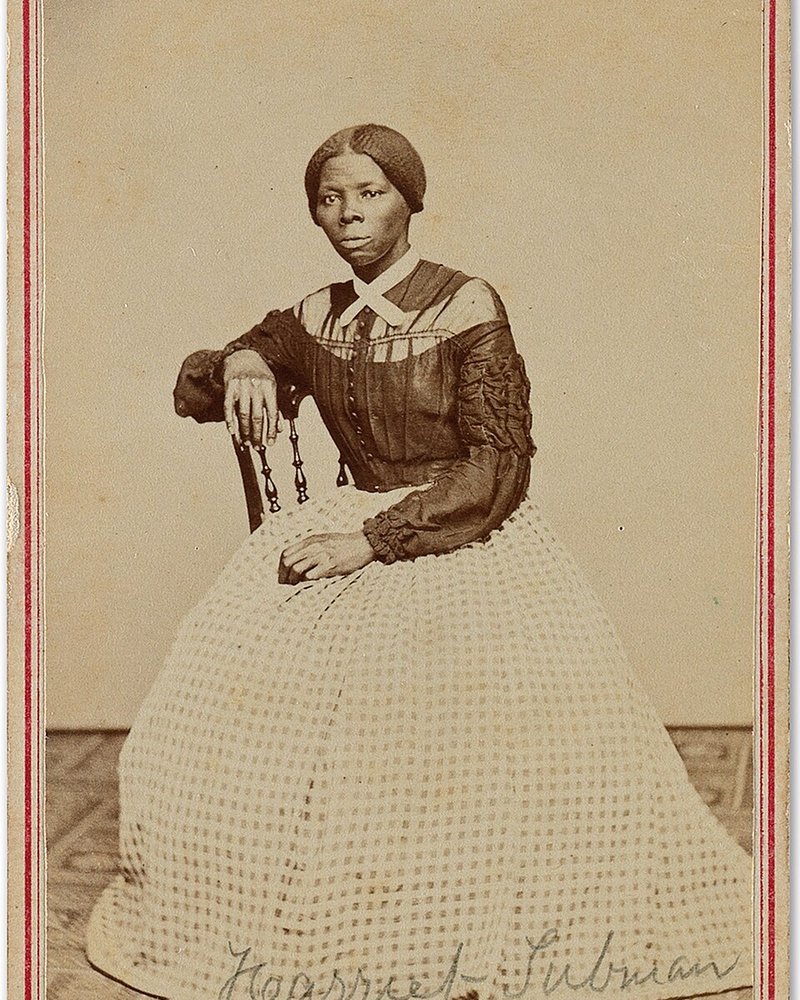
Photographic portrait of Harriet Tubman, circa 1868–1869.
Photograph, c. 1868–69 · Library of Congress (public domain)

Harriet Tubman

Scout • Spy • Nurse

Harriet Tubman served the Union Army as a scout, spy, nurse, and military guide. During the Combahee Ferry Raid, she helped liberate more than 700 enslaved people, making her one of the most significant military figures of the Civil War.

Civil War · 1861–1865

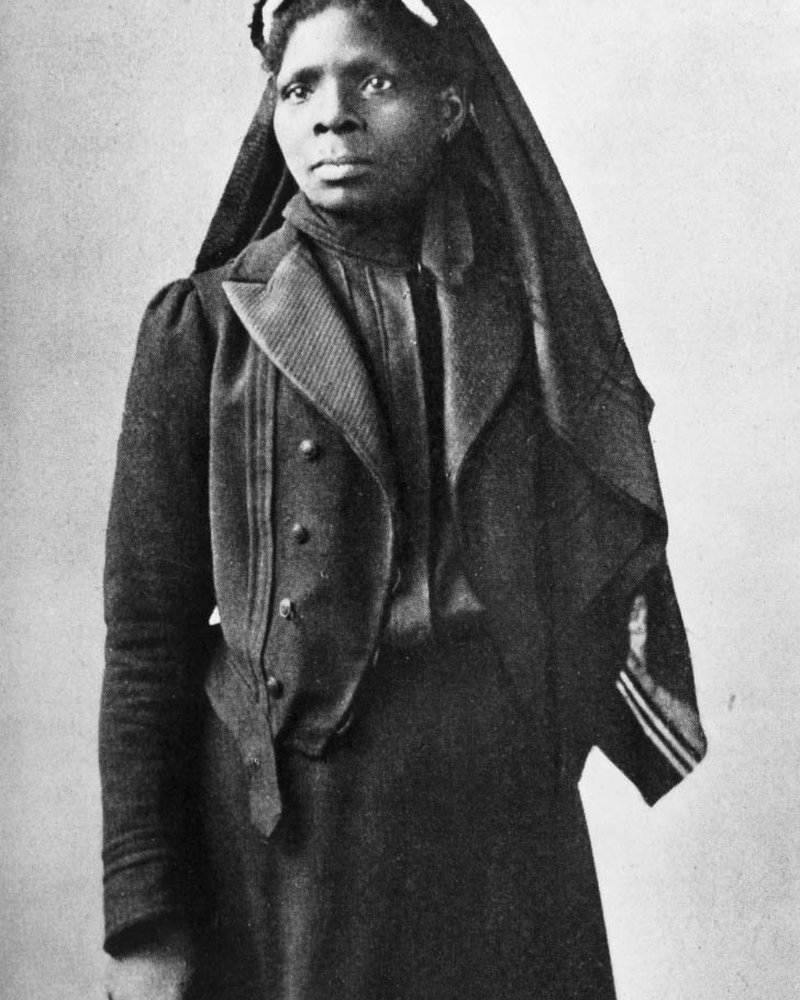
Historic portrait photograph of Susie King Taylor from her 1902 wartime memoir.
Portrait, 1902 · from her published memoir (public domain)

Susie King Taylor

Teacher • Nurse

Susie King Taylor educated formerly enslaved soldiers, served as a nurse, and became the first African American Army nurse to publish her memoirs, preserving one of the most valuable firsthand accounts of the Civil War.

Civil War · 1861–1865

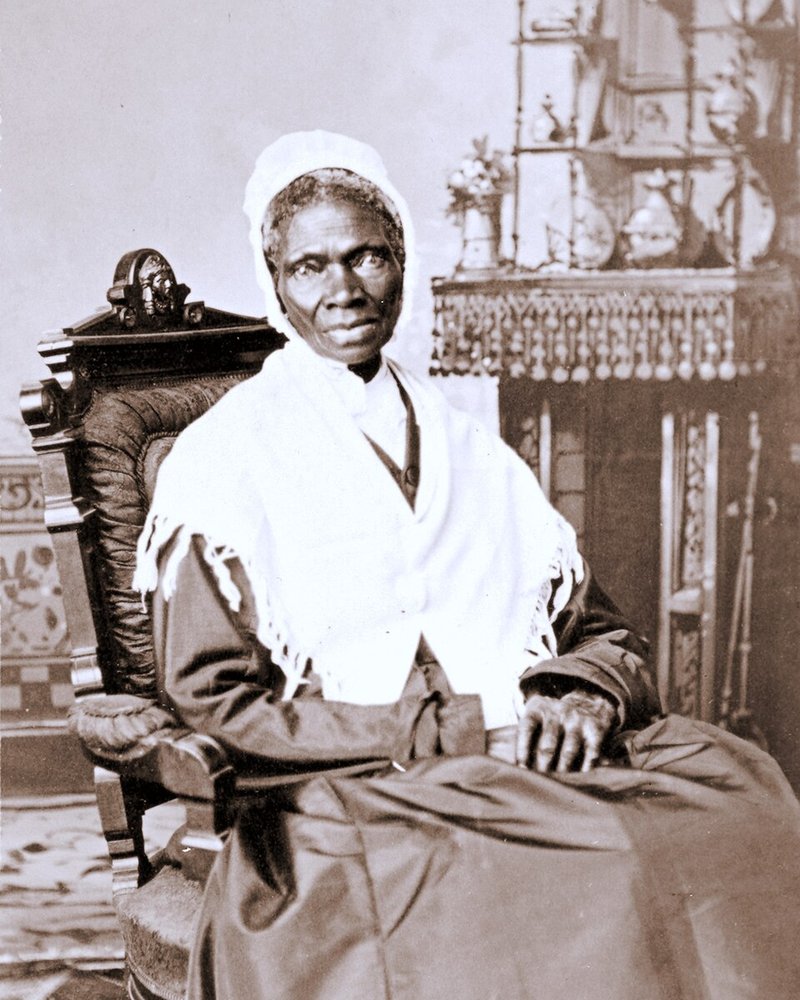
Authenticated carte-de-visite photographic portrait of Sojourner Truth, circa 1870.
Carte de visite, c. 1870 · Library of Congress (public domain)

Sojourner Truth

Recruiter • Abolitionist

Sojourner Truth recruited African American men for military service, advocated for equal treatment of Black soldiers, and worked tirelessly to support Union camps and formerly enslaved refugees.

Civil War · 1861–1865

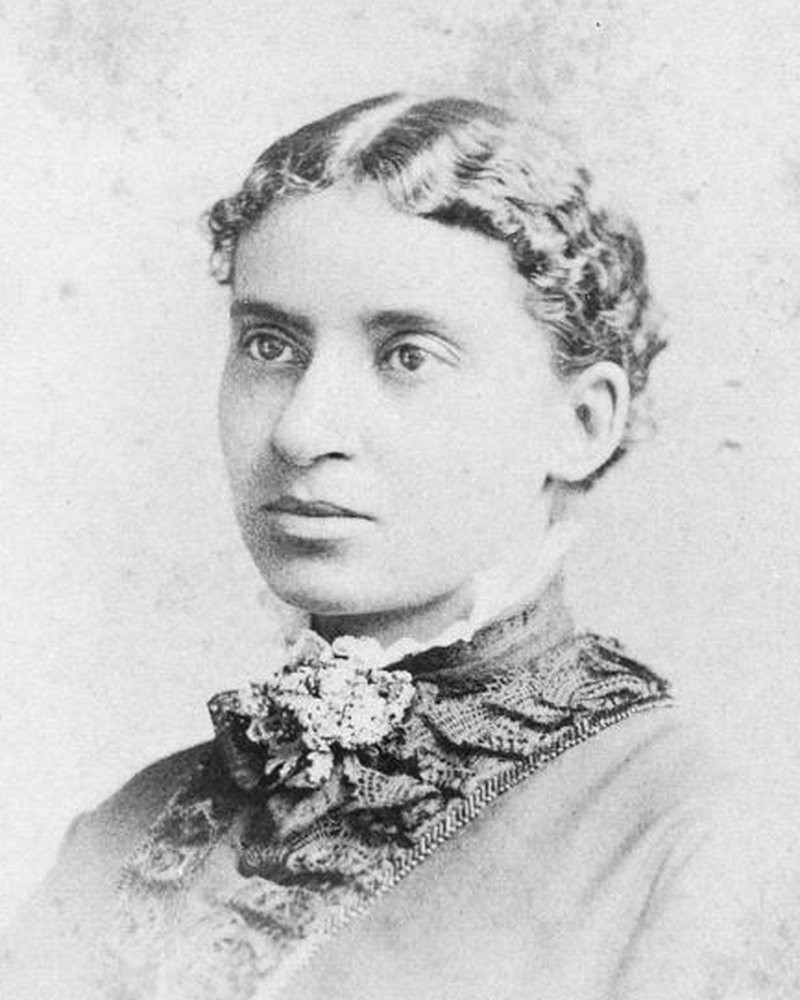
Historic portrait photograph of Charlotte Forten Grimké.
Historic portrait photograph (public domain)

Charlotte Forten Grimké

Educator

Charlotte Forten Grimké taught formerly enslaved families in Union-occupied territory and supported educational efforts that strengthened African American communities during and after the Civil War.

Civil War · 1861–1865

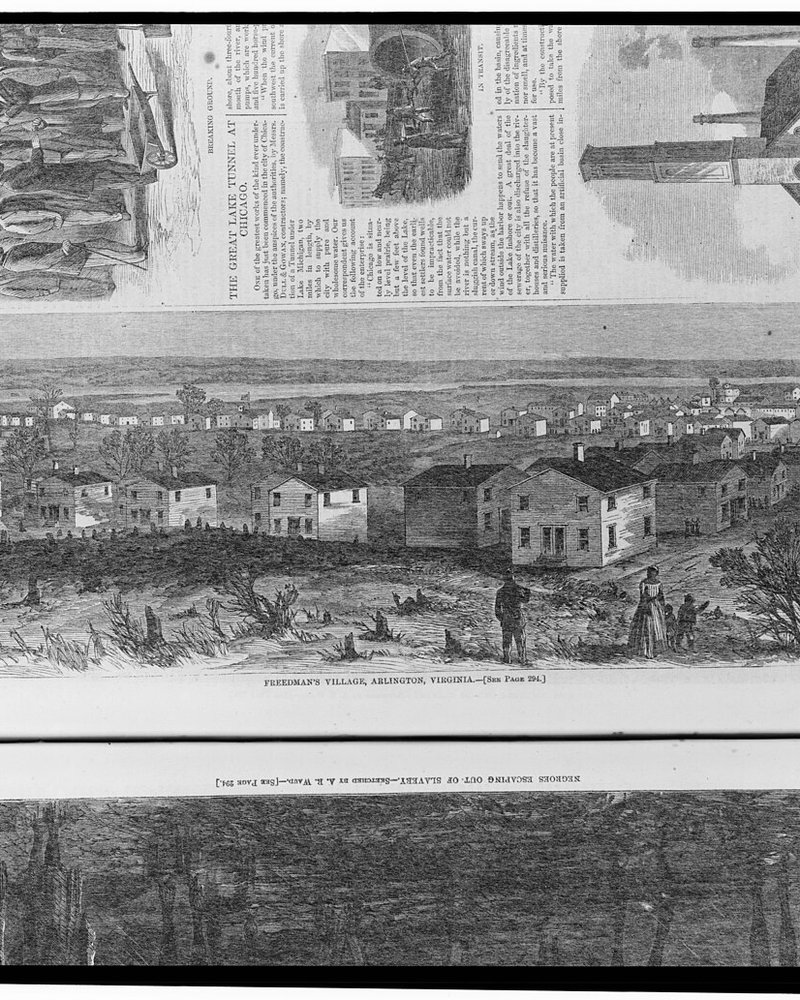
Period illustration of Freedman's Village in Arlington, Virginia, where formerly enslaved families lived and worked during the Civil War.
Period illustration · Library of Congress. No single portrait exists for this group.

Women Supporting the United States Colored Troops

Community Support

Thousands of African American women supported the United States Colored Troops by nursing the wounded, sewing uniforms, preparing meals, raising funds, teaching literacy, gathering supplies, and caring for soldiers' families. Although their names were seldom recorded, their contributions were essential to the success of the USCT.

"Freedom was carried by many hands — and among the strongest were theirs."

Descendants of Heritage and Freedom™ · Legacy Preservation Archive

Honor Her Story

Every woman remembered is a freedom honored.

This archive grows over time. If you know of an African American woman whose courage and service belongs among these pages, we invite you to help us preserve her story.

Submit a Story