The Heritage Journal

A Living Library of Remembrance

Genealogy, Revolutionary War patriots, the United States Colored Troops, preservation, and family history — a digital museum publication that grows with each story we recover.

✦

11 articles in the library

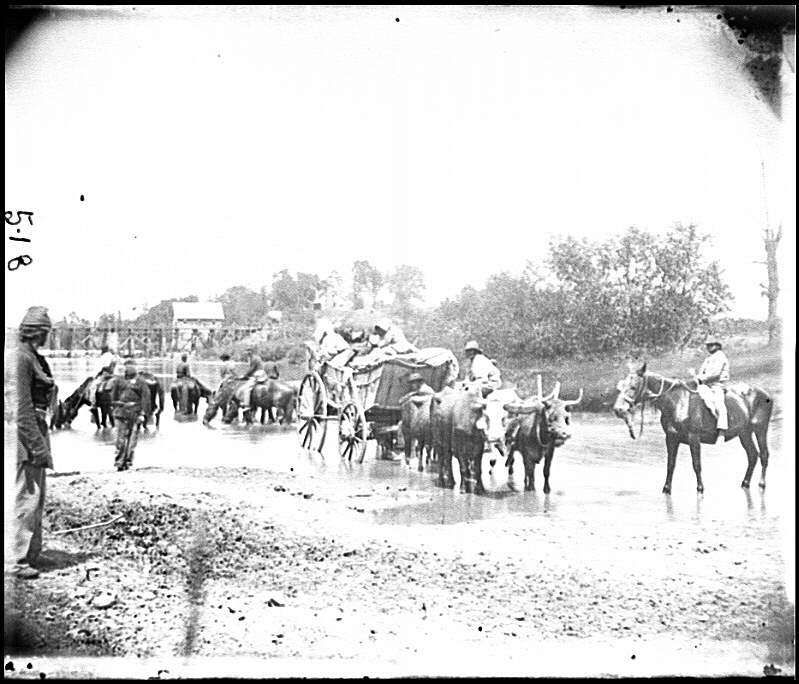
1862 photograph of freedom seekers crossing the Rappahannock River in Virginia with an ox-drawn wagon, horses, and mules

Latest · 📜 Civil War

Behind Union Lines: The Contraband Camps and the First Steps Toward Freedom

October 4, 2026 · 5 min read

During the Civil War, thousands of enslaved men, women, and children did not simply wait for freedom to reach them. They went looking for it — and the records they left behind can still help descendants trace that journey.

Read the Article
More from the Journal
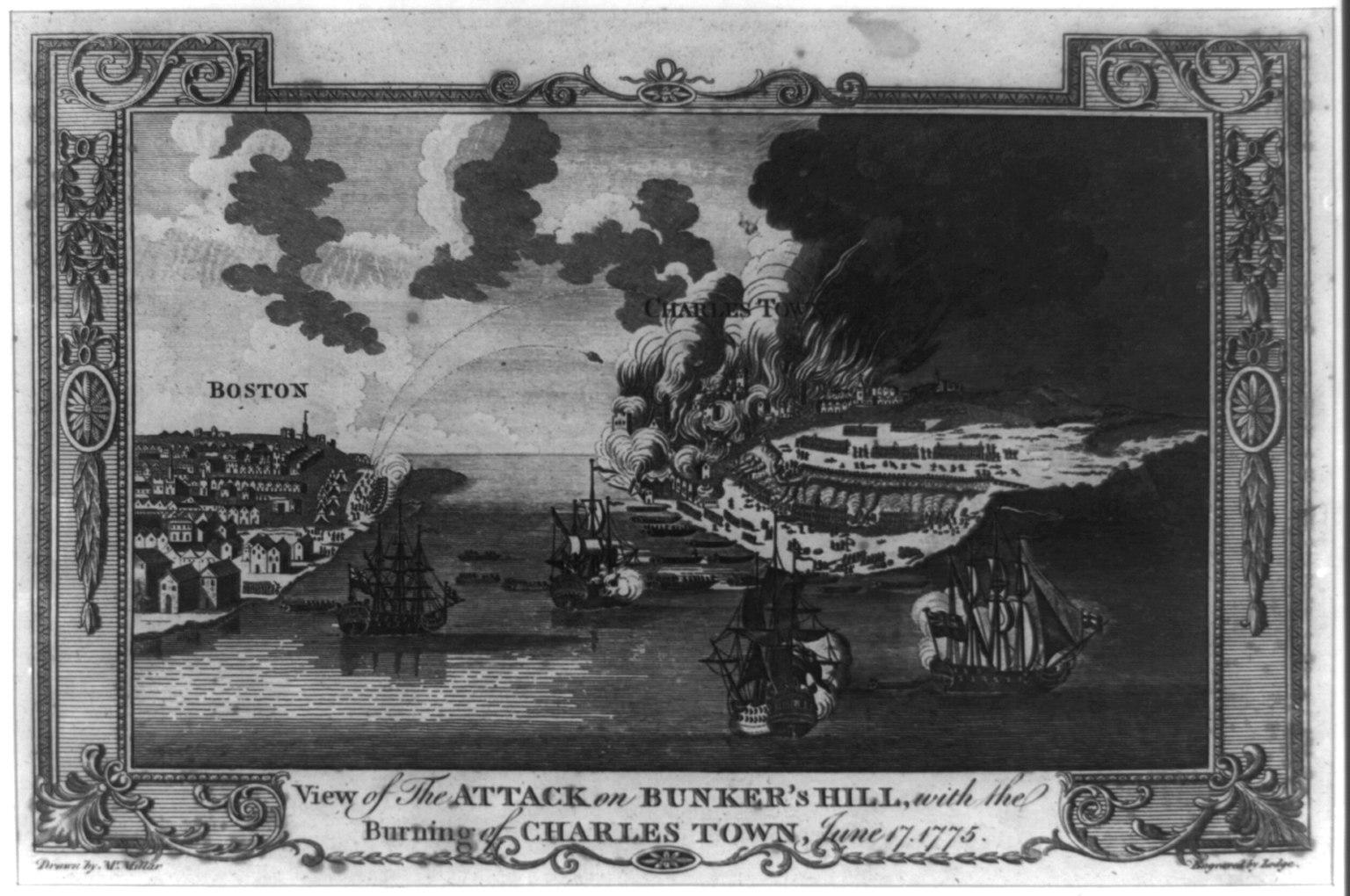
Eighteenth-century print showing British warships firing on Charlestown, Massachusetts, and troops landing during the attack on Bunker's Hill, June 17, 1775

⭐ Revolutionary War

They Were There, Too: Indigenous Service in the American Revolution

September 21, 2026 · 6 min read

Samuel Ashbow Jr., a Mohegan man from Connecticut, enlisted in May 1775 and was killed at Breed's Hill that June — recorded by the National Park Service as the first Native American killed in the Revolutionary War. His story opens a wider history of Indigenous service, and of the choices Native nations faced in a war fought across their homelands.

Typographic title card in DHF navy and antique gold reading “Black Men in the Confederacy — Soldiers, Servants, Laborers and the History Behind a Persistent Civil War Myth.”

📜 Civil War

Black Men in the Confederacy

September 15, 2026 · 10 min read

Were there really Black Confederate soldiers? The historical record reveals a much more complicated story of soldiers, servants, enslaved laborers, military records, and the difference between presence and allegiance.

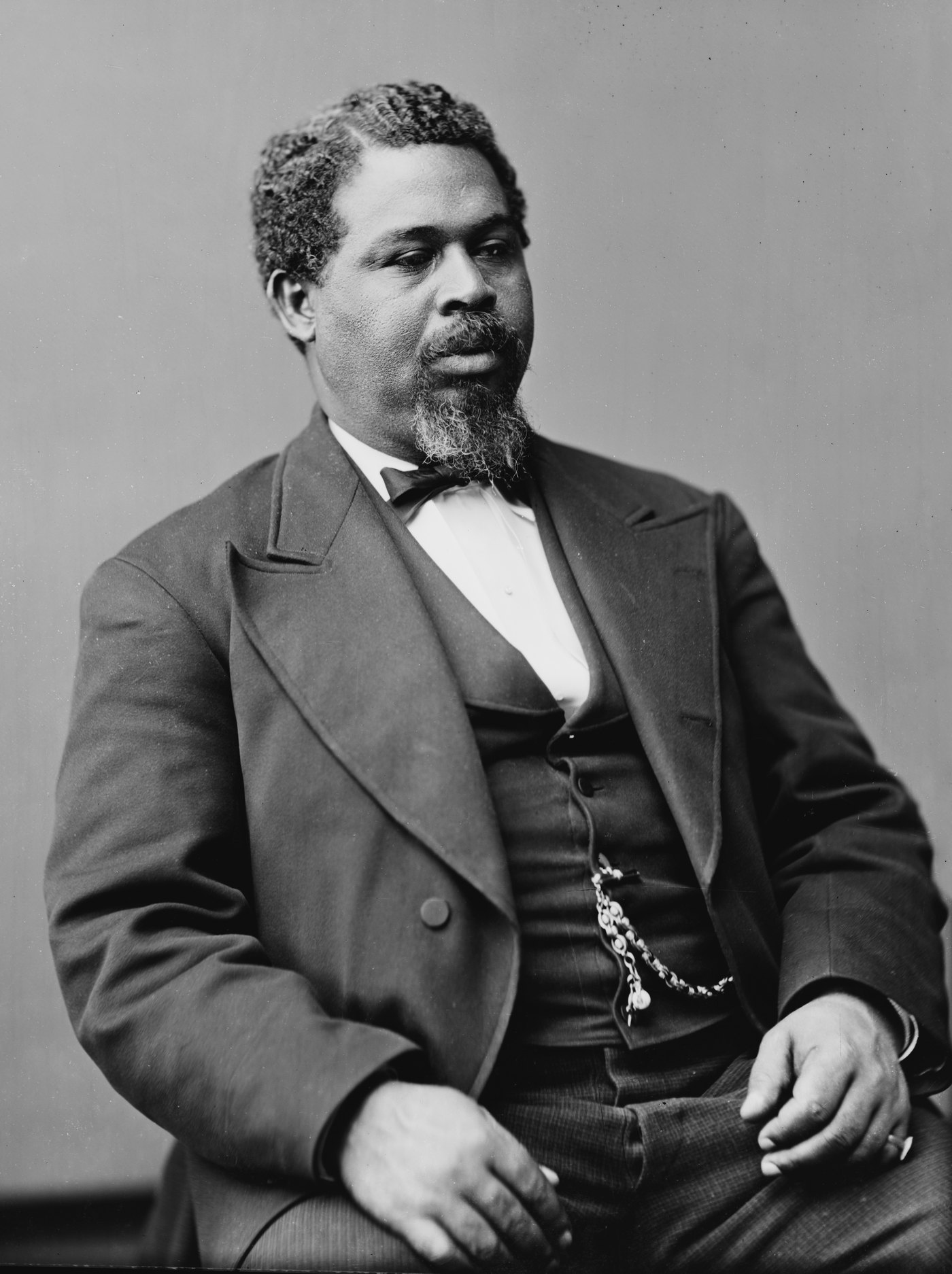
Studio photographic portrait of Robert Smalls, seated in a dark suit, taken during his years as a South Carolina congressman.

🪖 Black Military History

Robert Smalls and the Planter: A Daring Journey to Freedom

September 9, 2026 · 7 min read

Before dawn on May 13, 1862, an enslaved harbor pilot took command of a Confederate steamer, carried his family and crew past Fort Sumter, and delivered the vessel to the Union blockade. Robert Smalls did not wait for freedom to be granted — he planned and executed his own.

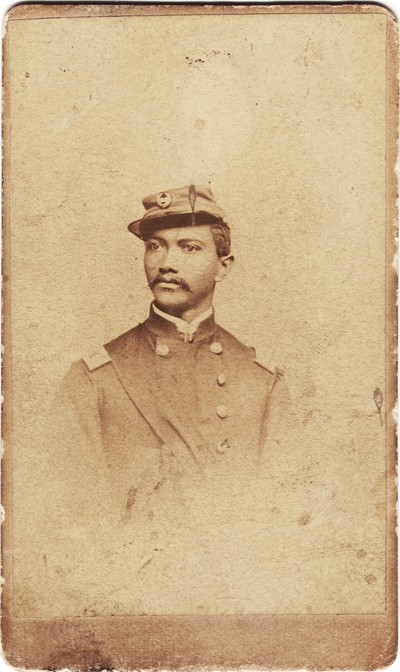
Carte-de-visite photograph of Dr. Alexander Thomas Augusta in the uniform of a Union Army surgeon, wearing an officer's forage cap and shoulder straps.

📜 Civil War

The War Ended. His Story Didn't.

August 31, 2026 · 6 min read

Dr. Alexander T. Augusta: From Civil War Surgeon to Medical Pioneer. Commissioned as a Union Army surgeon with the United States Colored Troops, Augusta went on to become the first African American professor of medicine in the United States — proof that African American military history does not end when military service ends.

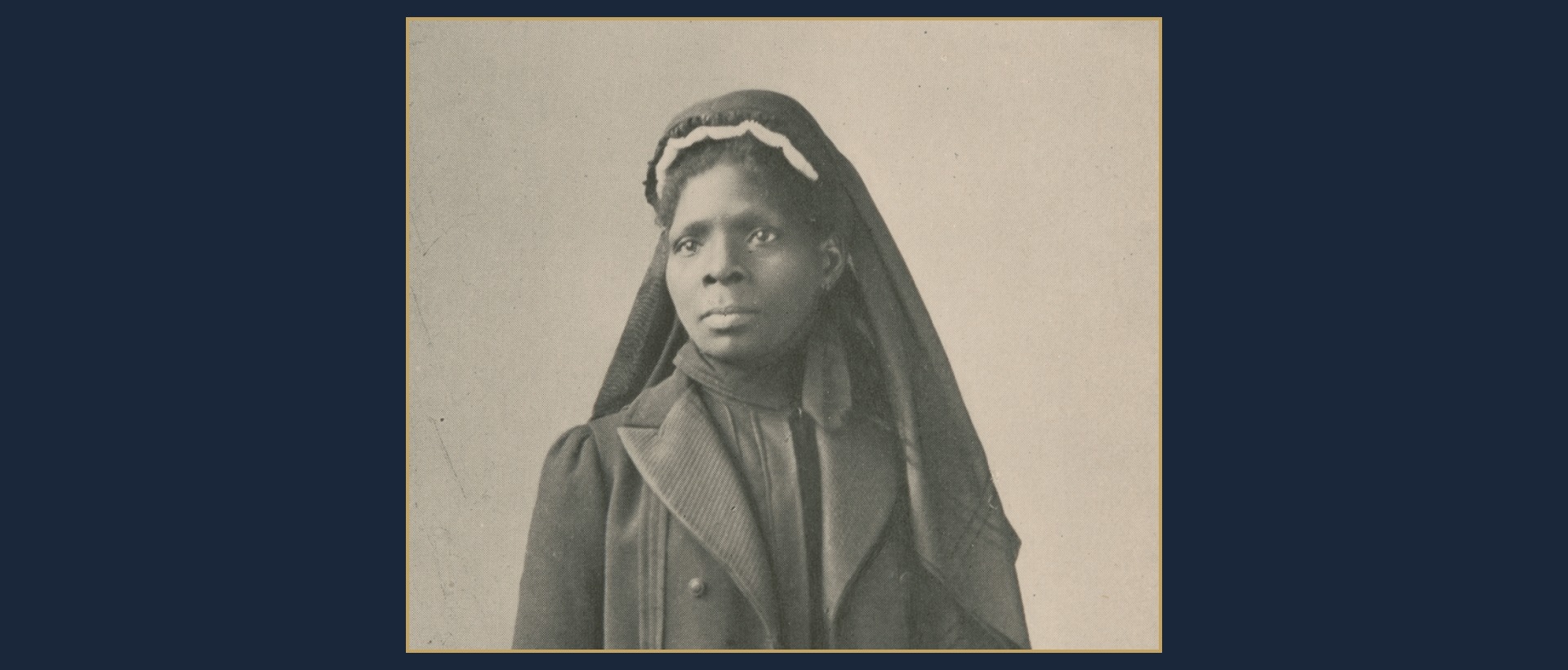
Black-and-white historical portrait of Susie King Taylor, a Civil War nurse, educator, and author.

🕊️ Women in African American Military History

Susie King Taylor: Healing, Teaching, and Preserving the Story of the 33rd USCT

August 23, 2026 · 5 min read

During the Civil War, Susie King Taylor served beside Black Union soldiers as a nurse, laundress, and teacher. Decades later, she ensured that their experiences—and her own—would not disappear from history.

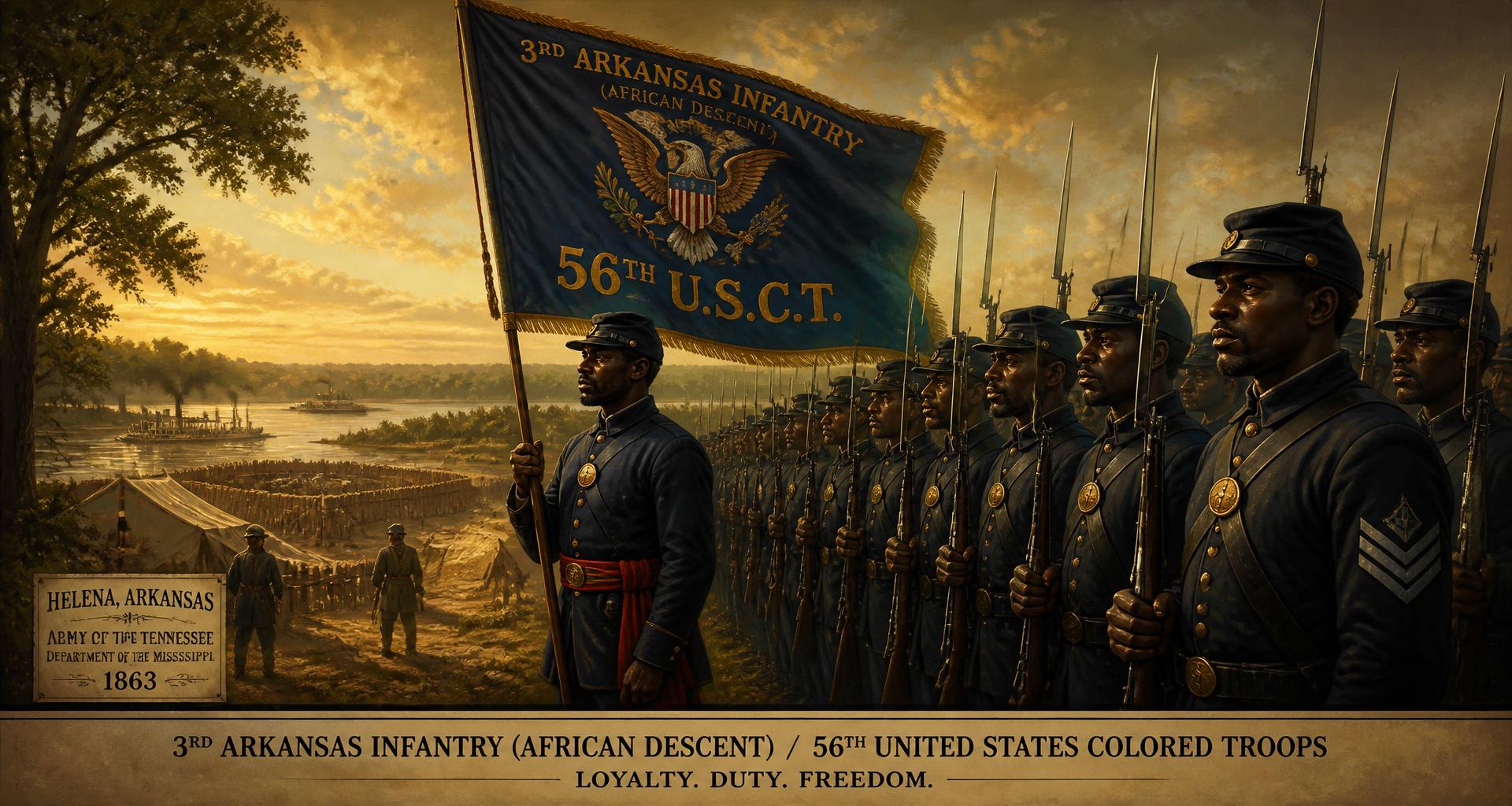
Historical illustration of African American Union soldiers of the 3rd Arkansas Infantry (African Descent) / 56th United States Colored Troops standing in formation at Helena, Arkansas, in 1863

📅 This Day in African American History

From African Descent to United States Colored Troops

August 12, 2026 · 5 min read

On August 12, 1863, the 3rd Arkansas Infantry Regiment (African Descent) was organized in St. Louis, Missouri, for service in the Union Army. Less than a year later, it would become the 56th United States Colored Infantry — a story of renamed regiments, preserved records, and the descendants who still search for them.

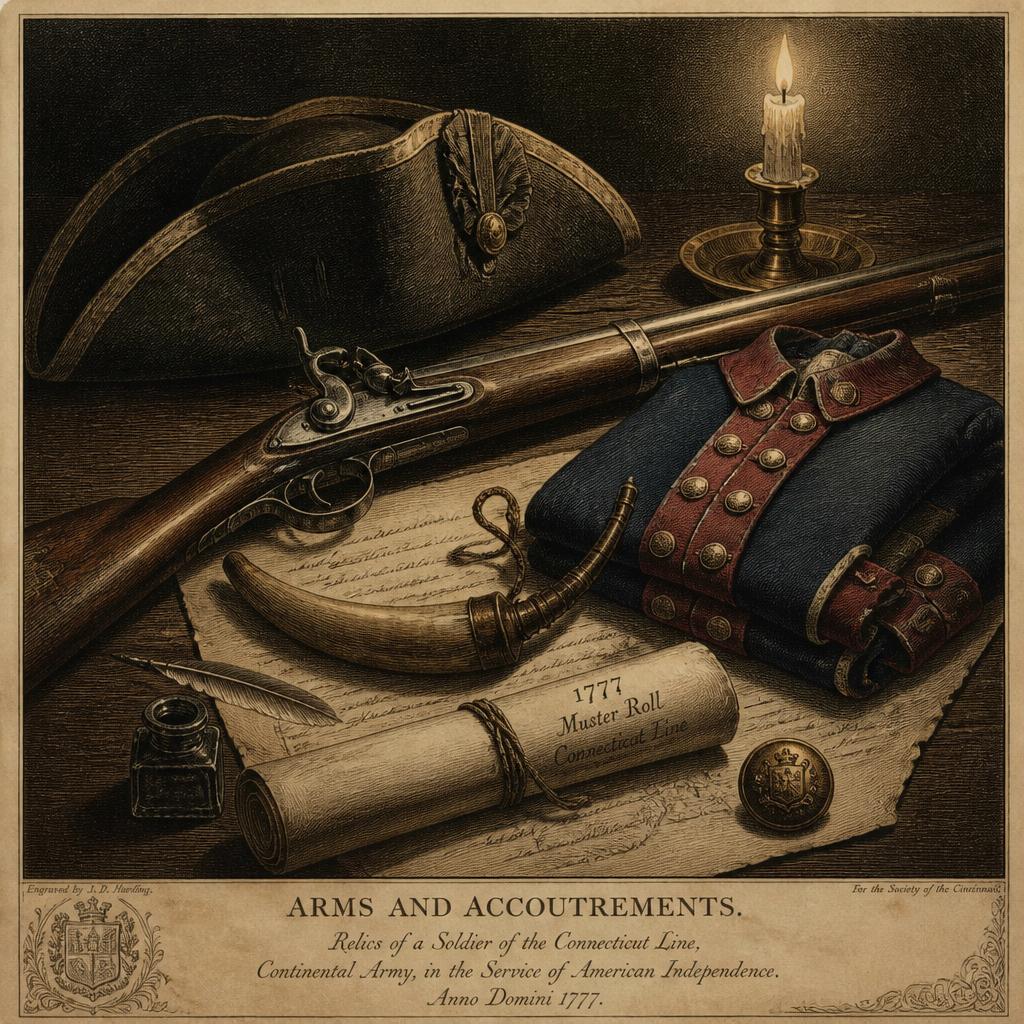
Engraving-style still life of an 18th century tricorn hat, flintlock musket, powder horn, folded blue Continental regimental coat with red facings, a 1777 Connecticut Line muster roll, quill and inkwell by candlelight

🎖️ Patriot Profiles

Honoring Connecticut Black Patriot Nero Hawley

July 27, 2026 · 3 min read

Enslaved in Stratford, Connecticut, Nero Hawley enlisted in the Continental Army in 1777 in place of Daniel Hawley, fought at Whitemarsh alongside General Washington and endured Valley Forge, was honorably discharged in 1781, and was granted his freedom in 1782 — later opening a brick factory and purchasing freedom for his wife and daughters.

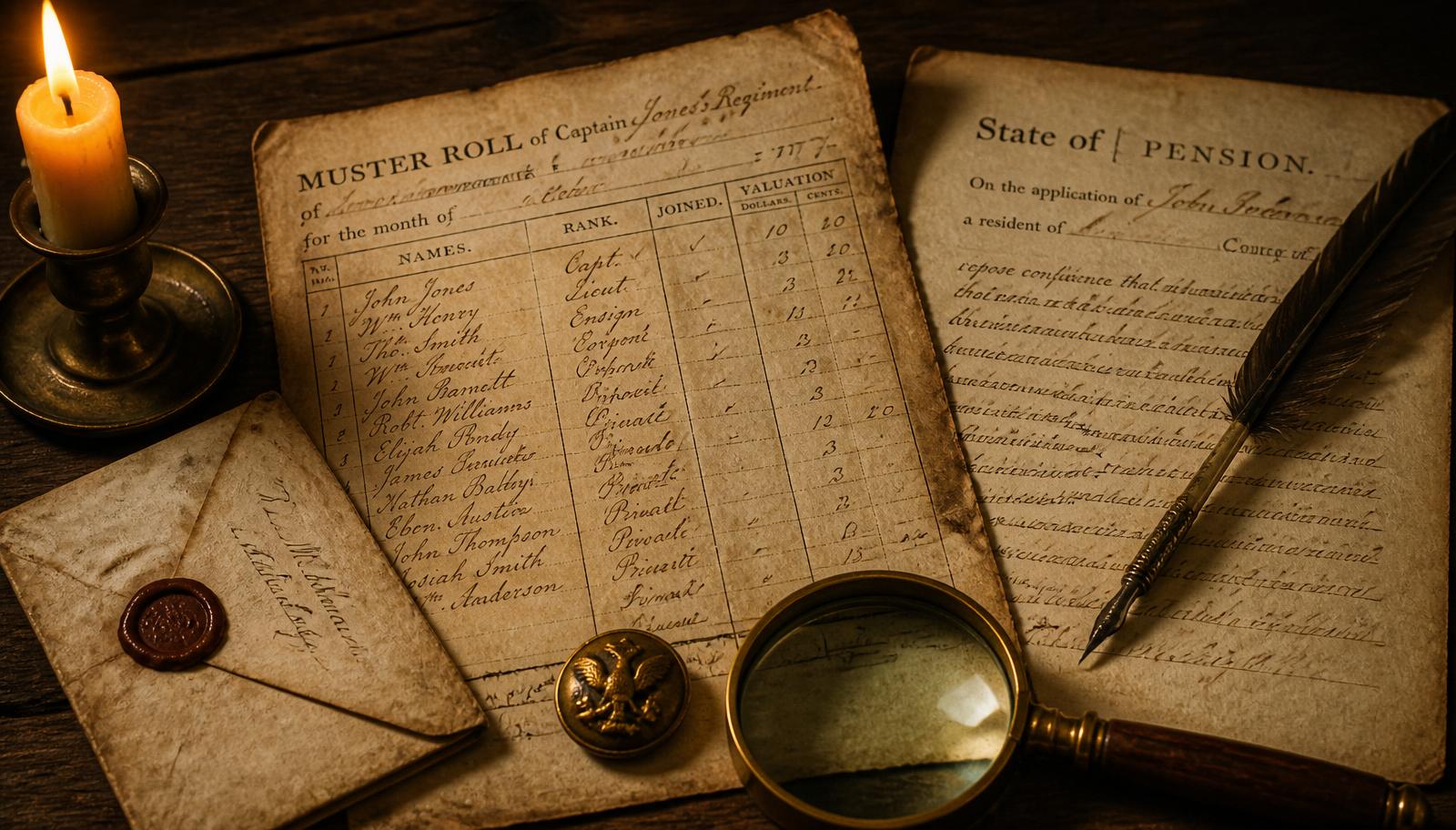
A weathered Revolutionary War muster roll and handwritten pension application in faded brown ink, a quill pen, a brass eagle button, a wax-sealed letter, and a magnifying glass on aged wood by candlelight

⭐ Revolutionary War

Revolutionary War Patriots of Color: Where the Records Live

July 17, 2026 · 4 min read

For many descendants, the search for an African American Revolutionary War patriot begins with one question: "Where do I look?" These are the archives, files, and family papers where their stories still wait to be found.

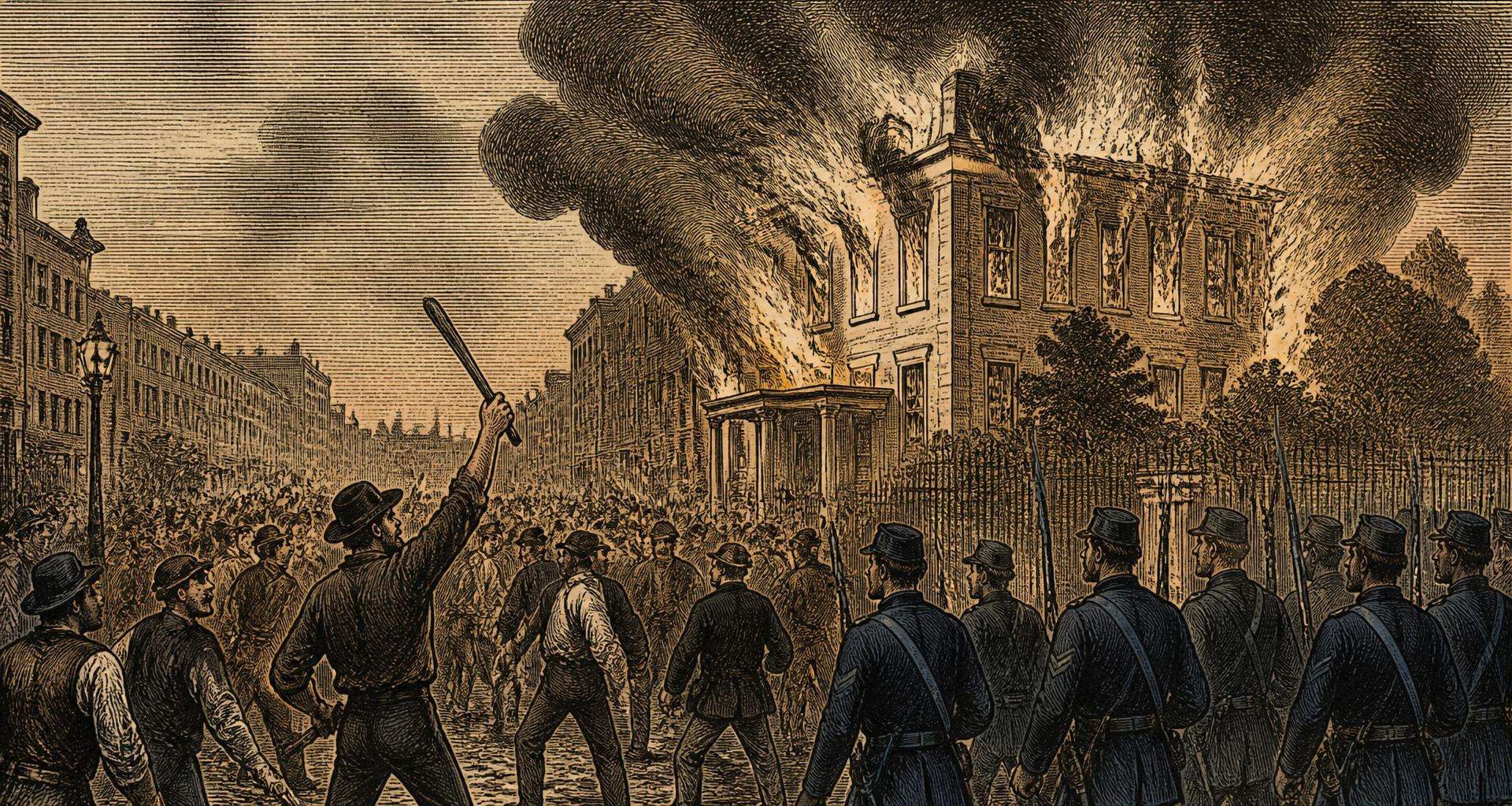
A period newspaper-style illustration of the New York City Draft Riots of 1863, showing the burning of the Colored Orphan Asylum amid crowds and smoke

📅 This Day in African American History

July 13, 1863 – The New York City Draft Riots

July 13, 2026 · 2-minute read

On July 13, 1863, one of the deadliest civil disturbances in American history erupted in New York City after the introduction of the Civil War draft. While opposition to conscription sparked the unrest, the violence quickly became targeted attacks against African Americans.

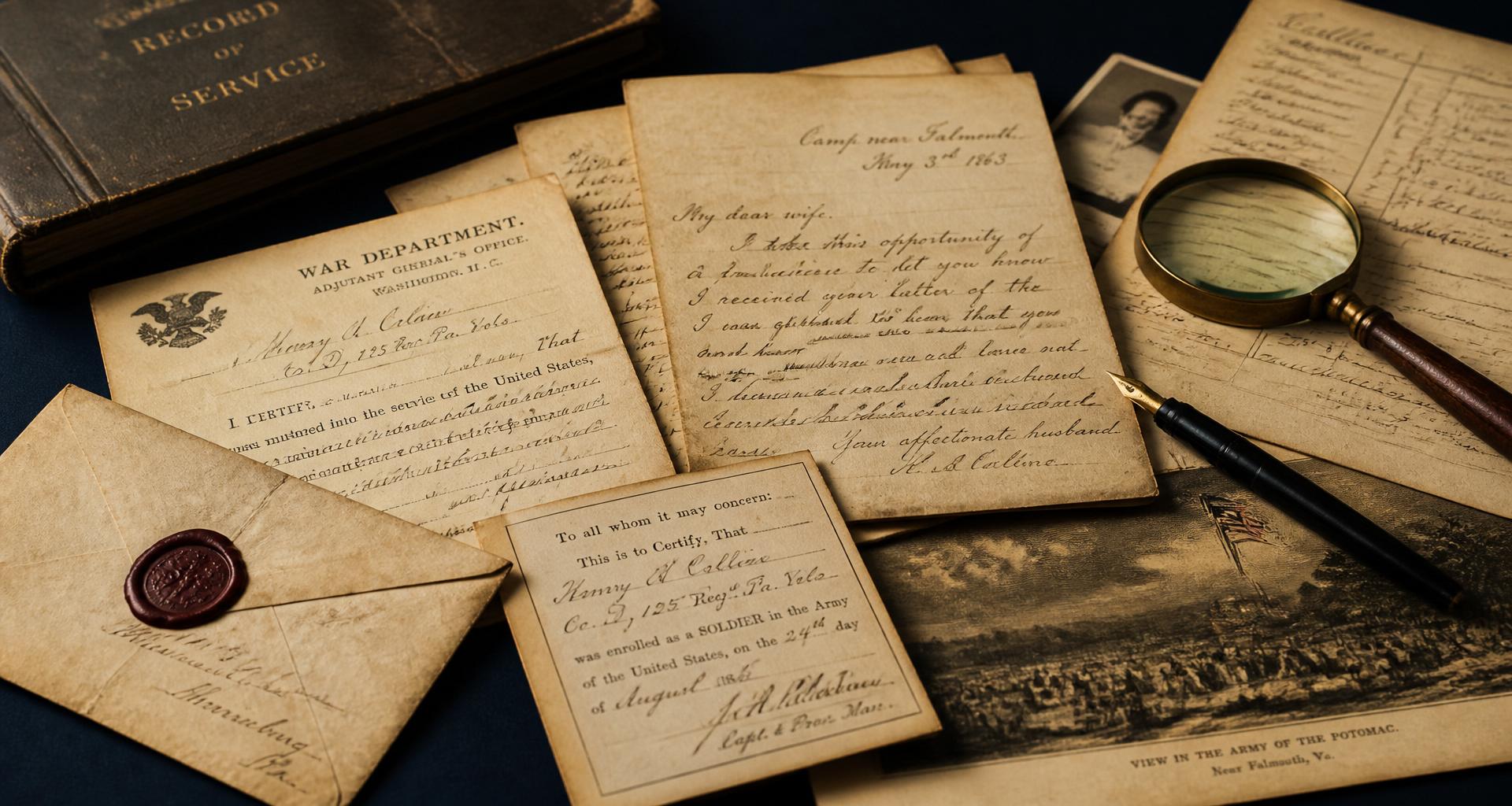
Aged handwritten Civil War era military records, letters, a wax-sealed envelope, and a magnifying glass arranged on a dark surface

🌿 Genealogy & Preservation

Every Record Tells a Story

July 4, 2026 · 5 min read

Long before family stories were written down, they lived in fragile paper — muster rolls, pension files, and handwritten letters. These archival records are how we recover the names that history nearly forgot.

History becomes legacy when we preserve it together.

Join DHF and help ensure these stories continue to be researched, remembered, and shared.

Become a Member