🎖️ Patriot Profiles
Honoring Connecticut Black Patriot Nero Hawley
July 27, 2026 · 6 min read
Born into slavery in Connecticut around 1742, Nero Hawley enlisted in the Continental Army in 1777, endured the winter at Valley Forge with the 2nd Connecticut Regiment, and lived to see his freedom — one of the documented Black Patriots whose Revolutionary War service helped shape the nation he was not yet fully free within.
Among the documented Black Patriots of the American Revolution stands Nero Hawley of Connecticut — a man born into slavery who took up arms for a nation that had not yet extended liberty to him. His service is preserved in muster rolls, pension papers, and town records, and his life offers one of the clearest windows we have into the experience of African American soldiers in the Continental Army.
Hawley's story deserves recognition today not because it is exceptional, but because it is representative. Thousands of Black men served in the Revolution; only a fraction left records complete enough to trace. Nero Hawley did, and through him we glimpse the many whose names remain to be recovered.
Early Life in Connecticut
Records indicate that Nero Hawley was born about 1742 in Connecticut and was held in slavery in the Stratford area during the years leading up to the Revolution. Details of his childhood are sparse, as is often the case for enslaved people of his generation — surviving documentation tends to appear only where his life intersected with the paperwork of the households and towns that claimed him.
What is clear is that by the time the colonies moved toward armed conflict with Great Britain, Hawley was a grown man living within a New England society that both relied on and restricted the freedom of African Americans. His path to liberty would come, as it did for many, through the extraordinary circumstances of war.
Military Service, 1777 and After
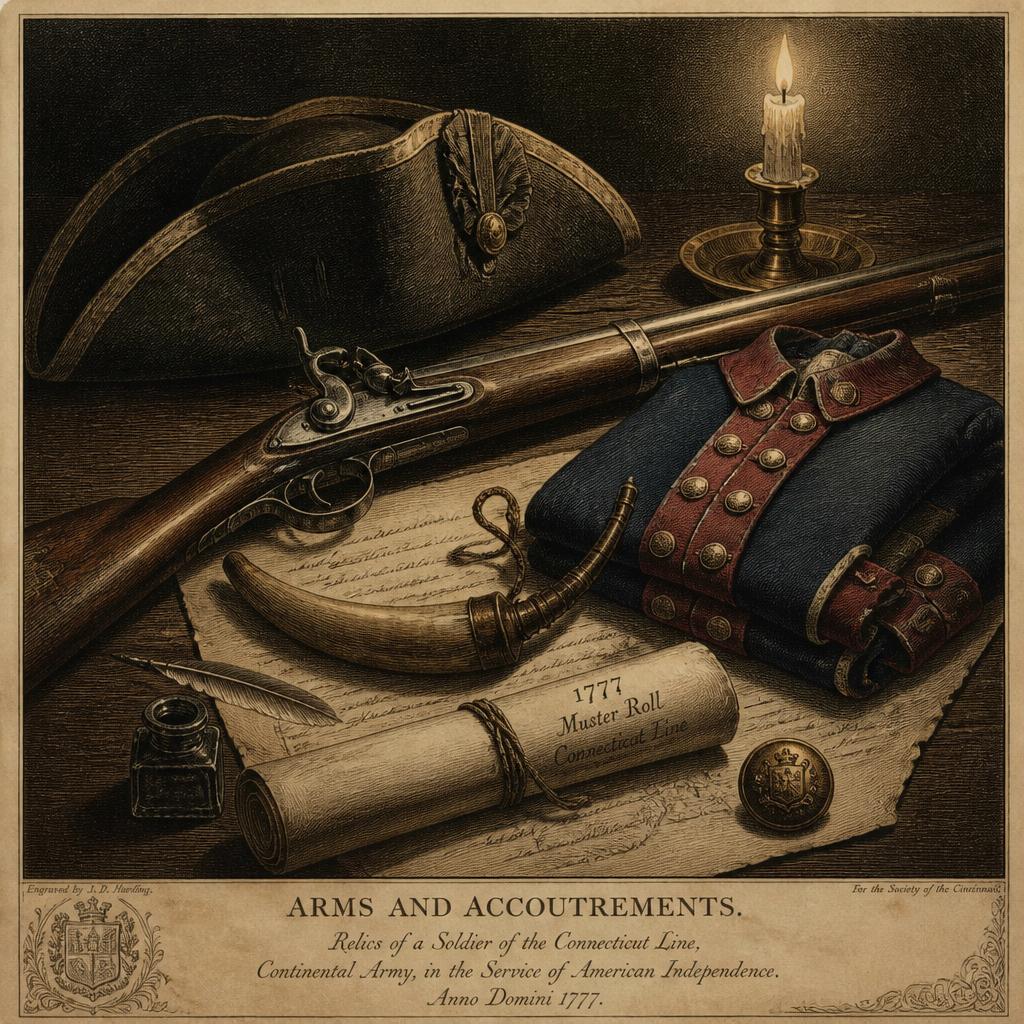
Nero Hawley enlisted in the Continental Army in 1777 and served in the 2nd Connecticut Regiment, one of the units of the Connecticut Line raised for long-term Continental service. Connecticut, like other New England states struggling to meet its enlistment quotas, permitted enslaved men to serve — often with the understanding that military service would open a path to freedom, whether by legislative act, individual manumission, or the practical fact of a soldier's changed status.
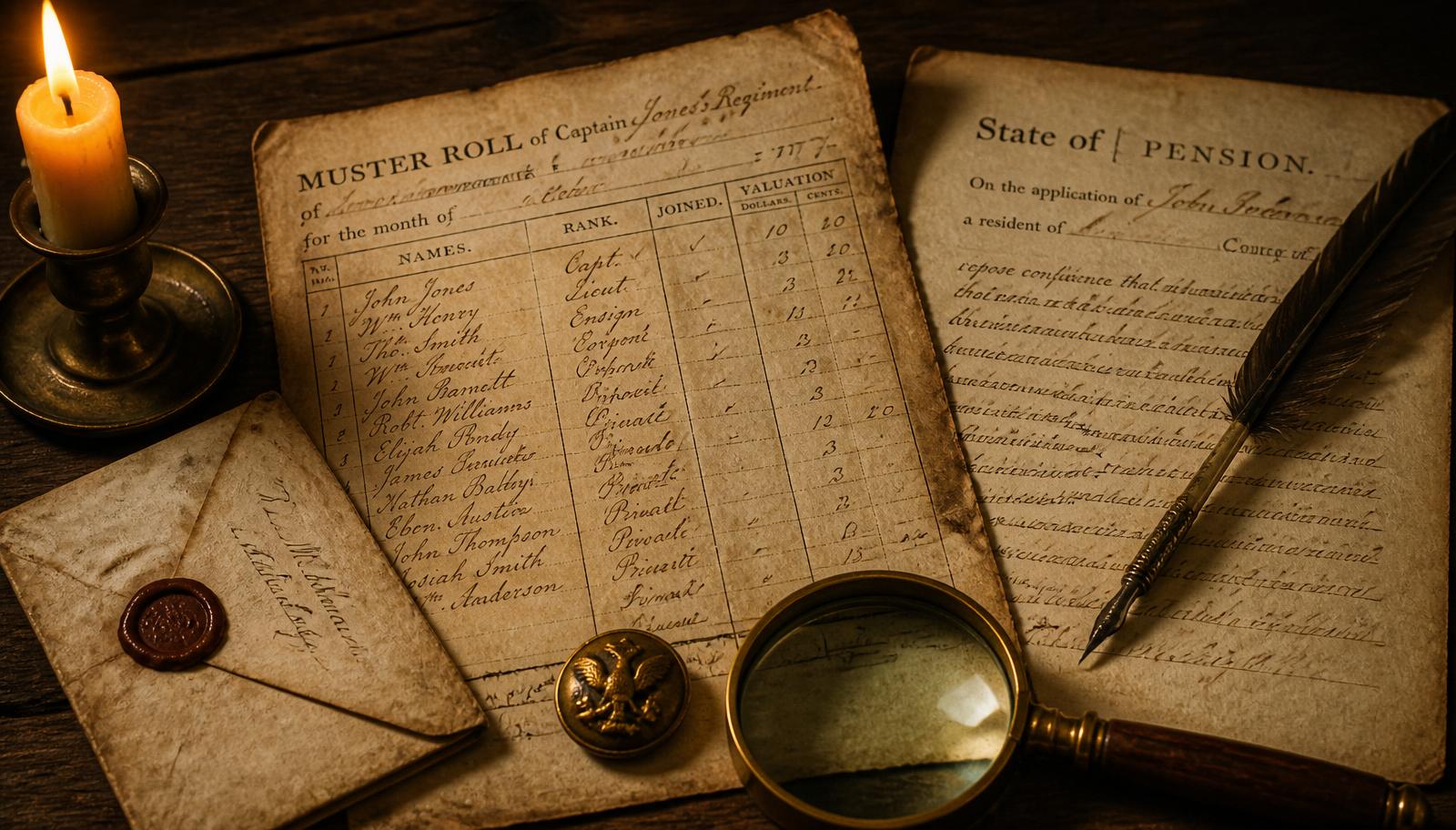
The 2nd Connecticut Regiment endured the hardships that defined the middle years of the war, including the punishing winter encampment at Valley Forge in 1777–1778. Black soldiers stood in the same ranks, drilled under the same officers, and suffered the same shortages of food, clothing, and shelter as their white counterparts. Their service is documented in the regiment's muster rolls and in the broader records of the Continental Line.
African American soldiers in the Continental Army faced obstacles their comrades did not. Some served in place of the men who enslaved them, with wages and bounties collected by others. Some encountered officers who resisted their presence in the ranks; others served under commanders who welcomed them. Their willingness to endure — often for the promise, rather than the guarantee, of freedom — is part of what makes their story so remarkable.
Fighting for Liberty While Seeking Freedom
The contradiction at the heart of the Revolution was felt most sharply by Black soldiers. They fought under a banner of liberty for a society that continued to enslave people who looked like them. For men such as Nero Hawley, military service was both a patriotic act and a personal wager: that steady service in the Continental Army might translate, eventually, into a life lived free.
“They fought for a country that did not yet see them as free — and by their service, helped make freedom possible.”
For a portion of Connecticut's Black Patriots, that wager was honored. Some received their freedom during or after the war, whether through the men who had held them, through gradual emancipation, or through the informal but powerful weight of veteran status. Nero Hawley was among those who emerged from the war a free man and lived out the remainder of his life in Connecticut.
Timeline
• c.1742 — Born in Connecticut, held in slavery in the Stratford area. • 1777 — Enlists in the Continental Army. • Serves with the 2nd Connecticut Regiment, including the Valley Forge encampment of 1777–1778. • Earns his freedom in connection with his military service. • Lives in Connecticut after the war. • Remembered today as one of Connecticut's documented Black Revolutionary War Patriots.
Legacy
Nero Hawley's story matters because it complicates and completes the traditional narrative of the American Revolution. It reminds us that the Continental Army was not homogeneous, that the fight for independence was carried in part on the shoulders of men who were themselves fighting for a freedom the young nation had not yet granted them, and that the archives — imperfect as they are — still hold the names of Patriots waiting to be recovered.
Every documented Black Patriot restores a missing thread in the fabric of American history. Nero Hawley's thread is one of them.
Research Spotlight
If you are researching a Connecticut ancestor who may have served in the Revolution, several archives are essential starting points: Revolutionary War compiled military service records at the National Archives; Revolutionary War pension and bounty land warrant application files (National Archives Record Group 15); the Connecticut State Archives, which holds the state's Revolutionary War rolls and related manuscripts; the Connecticut State Library's Revolutionary War Records collection; and local historical societies in Stratford, Fairfield County, and neighboring towns, whose vital, church, and probate records often preserve details found nowhere else.
For Black Patriots specifically, look for name variations, single-name entries, and notations such as "Negro" or "colored" in muster rolls — many soldiers of color are hidden in plain sight in records that used conventions we no longer use today.
Connection to DHF
Descendants of Heritage and Freedom exists to preserve the stories of African American Patriots, Black Loyalists, and United States Colored Troops, and to help their descendants find and honor them. Nero Hawley is exactly the kind of Patriot our members work to remember: documented but under-recognized, ordinary in his time but extraordinary to us now, and part of a much larger community of Black soldiers whose service helped make American independence possible.
If his story stirs a question about your own family — a great-grandfather's regiment, a name on a headstone, a fragment in a family Bible — we invite you to begin. The archives are patient. The records remember.
“Every documented Black Patriot strengthens our understanding of the American Revolution. By preserving these stories, we honor not only those who fought for liberty, but also the generations of descendants who continue their legacy today.”
Recommended Reading
- From Valley Forge to Freedom: A Story of a Black Patriot by Daniel J. Cronin & Anne Coughlin Cronin
- Forgotten Patriots: African American and American Indian Patriots in the Revolutionary War by Eric G. Grundset (ed.), Daughters of the American Revolution
- Black Patriots and Loyalists: Fighting for Emancipation in the War for Independence by Alan Gilbert