📖 Civil War History
Their Service Didn’t End With the War
November 8, 2026 · 3 min read
Black Civil War Veterans Who Continued the Work of Freedom
A military record can tell us when a soldier enlisted, where he served, and when he left the Army. Understanding his legacy means following his story further.
For Black Civil War veterans, the years after military service brought opportunities to reunite families, pursue education, establish churches, and shape public life. Those opportunities existed alongside discrimination and violence that threatened the freedom they had helped secure.
This Veterans Day, we remember three men whose contributions continued long after their wartime service.
Spottswood Rice: Building Places of Faith and Community
While serving in the 67th United States Colored Infantry, Spottswood Rice demanded freedom for his daughters, who remained enslaved. His surviving letters reveal a father determined to reunite his family and unwilling to accept another person’s claim of ownership over his children.
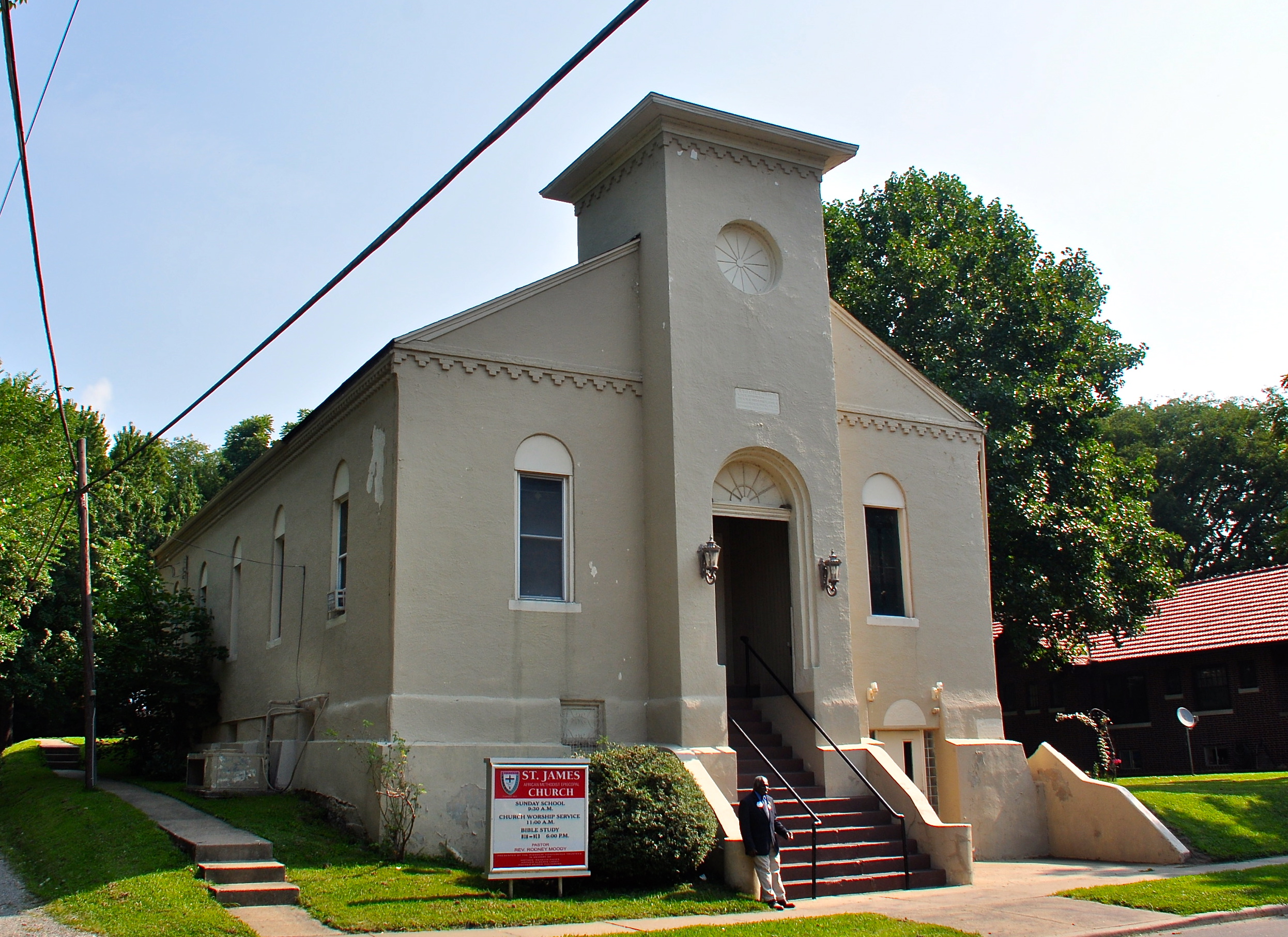
Rice’s life after the war deserves attention, too. He became an African Methodist Episcopal minister and helped establish and strengthen congregations. In Cape Girardeau, Missouri, his leadership helped bring a permanent church building into being for the congregation of St. James AME. His work created a place where faith and community could take root across generations.
His legacy includes both the family freedom he demanded and the communities he helped sustain.
Prince Rivers: From Soldier to Community Leader
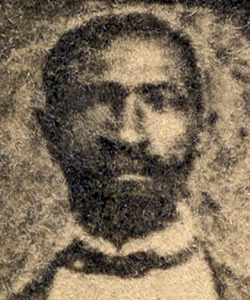
Prince Rivers escaped slavery and became an early recruit in the 1st South Carolina Volunteers, later designated the 33rd United States Colored Infantry. A respected leader and color sergeant, he also encouraged fellow soldiers to pool their money to purchase property—recognizing the importance of ownership to their futures.
After the war, Rivers served in South Carolina’s legislature and helped establish Aiken County. He became a leader in Hamburg, a town where formerly enslaved people exercised political power during Reconstruction.
Racial violence ultimately drove him from office. Remembering Rivers requires holding both parts of his story together: what Black veterans helped build, and the organized violence used to take it away.
George Washington Williams: Preserving the Record
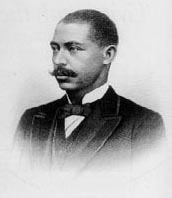
George Washington Williams served in the United States Colored Troops during the Civil War. In the years that followed, he became a minister, legislator, and historian.
His historical writing helped document Black lives and contributions. In 1883, he published History of the Negro Race in America from 1619 to 1880, examining a history too often excluded or distorted in American accounts. A veteran himself, Williams helped ensure that later generations would have a fuller record of the past.
Following Their Stories Forward
These men’s lives invite us to look beyond enlistment dates and discharge papers.
What did veterans build when they returned? Whom did they teach, lead, or support? What survived their efforts—and what was taken from them?
At Descendants of Heritage and Freedom, preserving Black military history includes following those questions into families, churches, neighborhoods, and archives. Their service is part of the story. The lives they lived afterward belong in our remembrance, too.
Inspired by this story?