⭐ Revolutionary War
They Were There, Too: Indigenous Service in the American Revolution
September 21, 2026 · 6 min read
Samuel Ashbow Jr., a Mohegan man from Connecticut, enlisted in May 1775 and was killed at Breed's Hill that June — recorded by the National Park Service as the first Native American killed in the Revolutionary War. His story opens a wider history of Indigenous service, and of the choices Native nations faced in a war fought across their homelands.
The familiar telling of the American Revolution is crowded with familiar names. Far less often told is that Native men marched in the earliest companies of that war, and that one of them was among the first to die in it.
Samuel Ashbow Jr. and the Mohegan
Samuel Ashbow Jr. was born about 1746 and lived in the North Parish of New London, Connecticut — the area known today as Montville. He was Mohegan, and one of four sons of the Rev. Samuel Ashbow, a Mohegan minister. At least three of those sons died during the Revolutionary War.
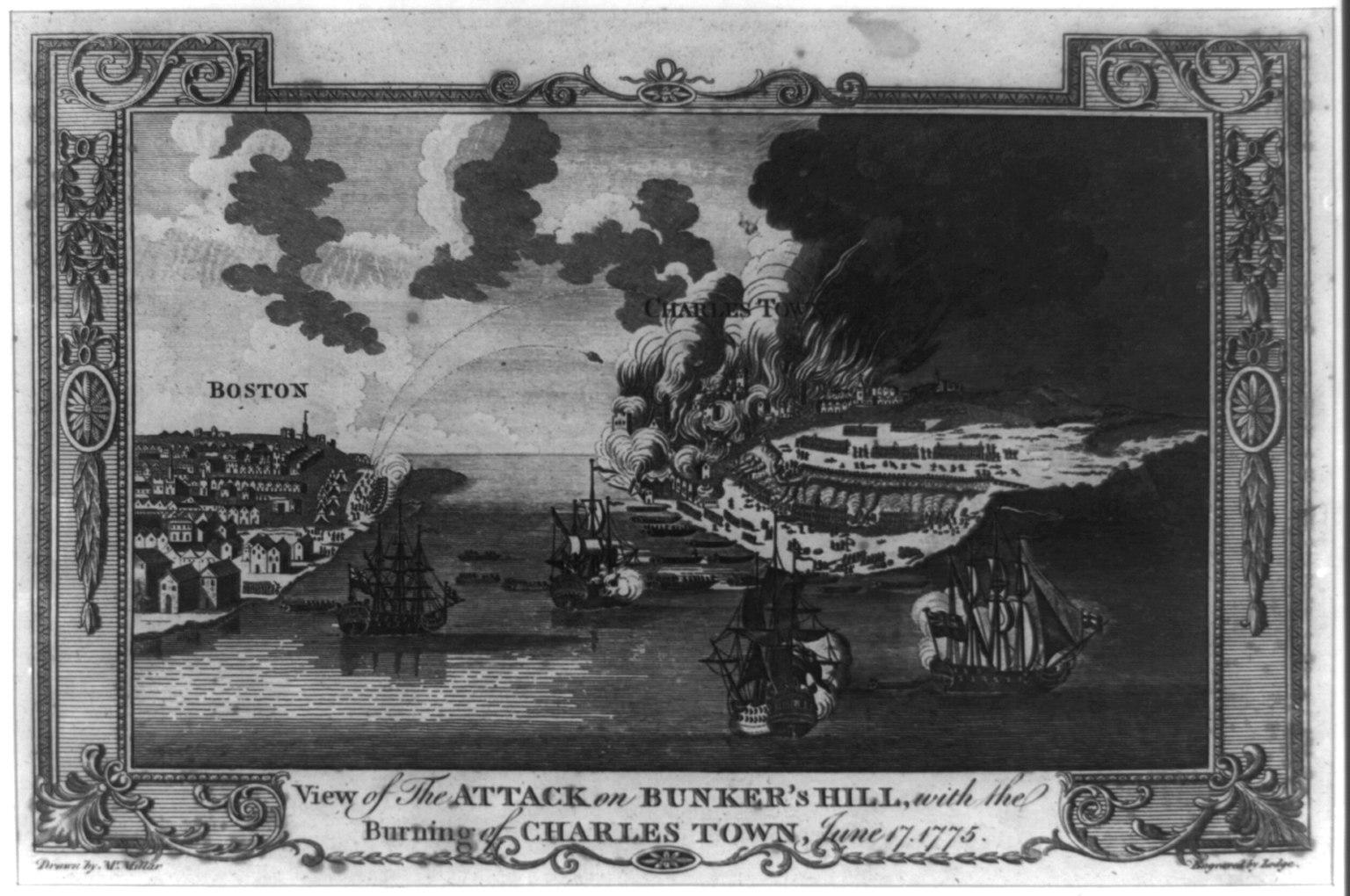
On 10 May 1775, less than a month after the Lexington Alarm, Ashbow enlisted in the company of Capt. John Durkee, part of Col. Israel Putnam's regiment. The company marched from Norwich, Connecticut, to Cambridge, Massachusetts, and on 17 June 1775 was engaged in the Battle of Bunker Hill, stationed at the rail fence on the American left. Samuel Ashbow Jr. was killed in that battle, on Breed's Hill in Charlestown. The National Park Service study Patriots of Color records him as the first Native American killed in the Revolutionary War.
Like most of the Americans who fell that day, he has no marked grave; he was probably buried on or near the ground where the Bunker Hill Monument now stands. The name of his wife is unknown. They had at least one child, a son named Joshua, born about 1773. His brother Robert was killed the following year during the retreat from New York.
A War Fought Across Native Homelands
Indigenous nations did not enter the Revolution as one people with one interest. Some allied with the British Crown, which had at least attempted to limit settlement west of the Appalachians. Some tried to hold to neutrality as long as it could be held. Others joined the Patriot cause, hoping that service would secure recognition of their sovereignty and protection of their remaining lands.
In southern New England the war reached into Native communities early. Mohegan, Pequot, Narragansett, Wampanoag, and other men from Connecticut, Rhode Island, and Massachusetts served in Patriot companies from 1775 onward, often alongside men of African descent in the same units — which is one reason their service can be difficult to trace in records that flattened everyone into a single column.
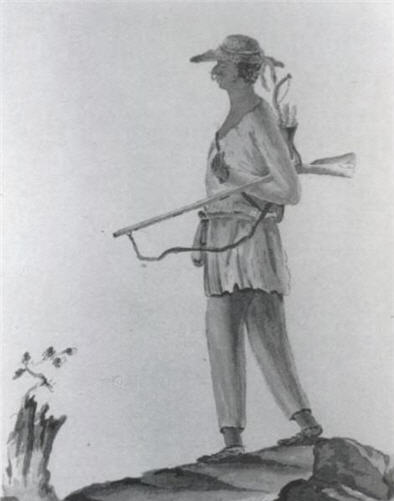
The Stockbridge company from western Massachusetts — Mohican, Wappinger, Munsee, and other men of the town of Stockbridge — was among the first Native units to serve the Patriot cause, and served through some of the war's major campaigns. Their losses were severe, and the recognition they had hoped for did not follow. Within a generation the Stockbridge community was pressed out of its homeland.
What the War Cost
For Native communities, the Revolution was not only a war of independence but a continuation of dispossession. Men who fought — and the families who buried them — generally did not see their land claims honored, their sovereignty protected, or their service remembered in the national story that followed. The Ashbow family lost at least three sons to the war effort.
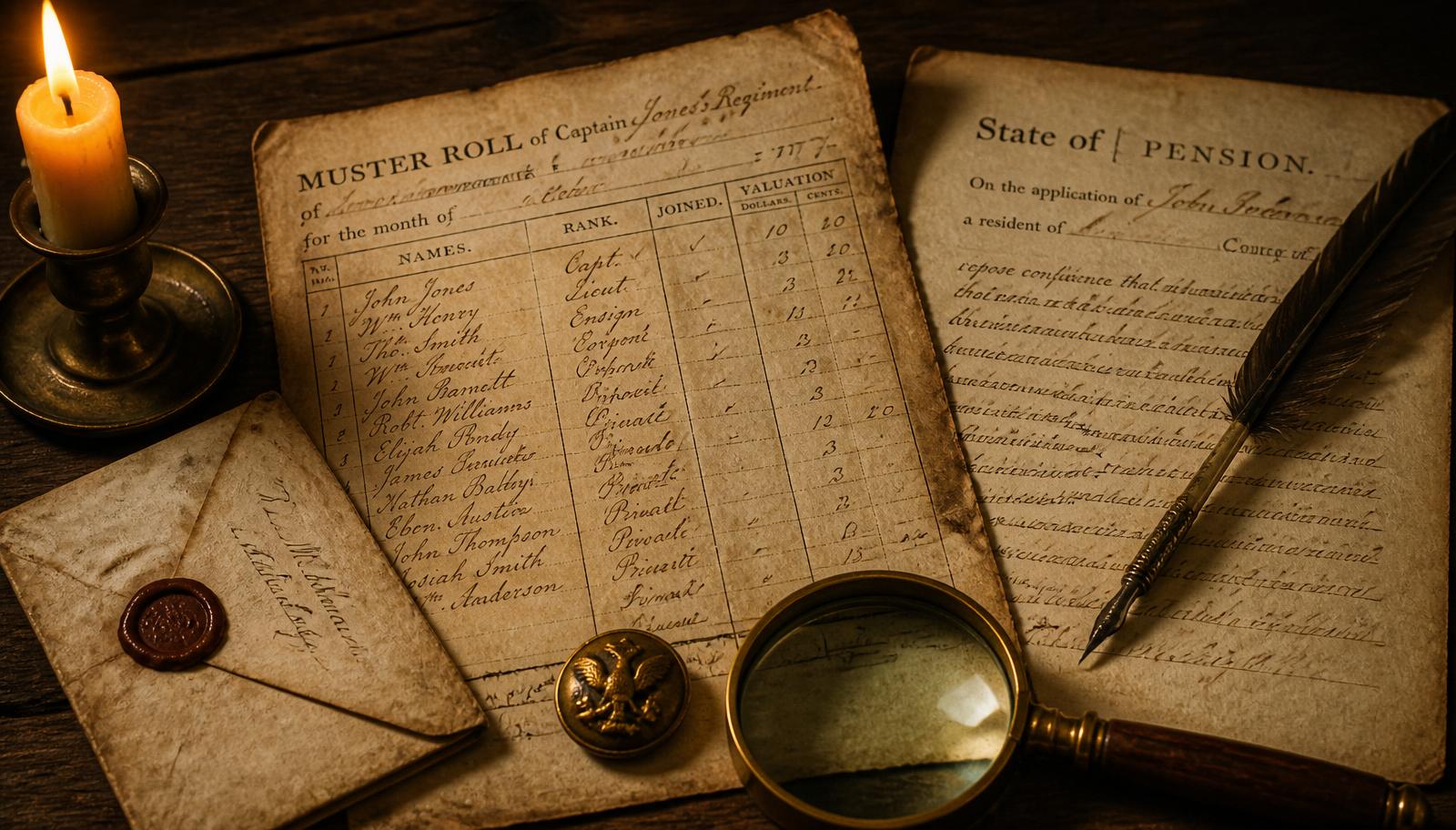
Recovering these lives means reading the same records genealogists use for African American Patriots: company muster rolls, state service records, pension files, town and parish records, and community histories. The information is there. It was simply never gathered into the story most of us were taught.
Sources and Further Reading
- Samuel Ashbow Jr. — National Park Service (from the 2004 study Patriots of Color by George Quintal)
- Samuel Ashbow: A Forgotten Casualty of Bunker Hill — National Park Service
- From Boston's Streets to Bunker Hill: Southern New England Indians in the American Revolution — American Indian Magazine, Smithsonian National Museum of the American Indian
- The Stockbridge Militia and the Battle of Van Cortlandt's Woods — National Park Service
Explore more overlooked stories from America's military past in the DHF Journal.
Recommended Reading
- Forgotten Patriots: African American and American Indian Patriots in the Revolutionary War by Eric G. Grundset (ed.), Daughters of the American Revolution
- Patriots of Color: 'A Peculiar Beauty and Merit' — African Americans and Native Americans at Battle Road and Bunker Hill by George Quintal Jr., National Park Service (2004)
- The Indians' New World: Catawbas and Their Neighbors from European Contact through the Era of Removal by James H. Merrell
Inspired by this story?