🪖 Black Military History
Robert Smalls and the Planter: A Daring Journey to Freedom
September 9, 2026 · 7 min read
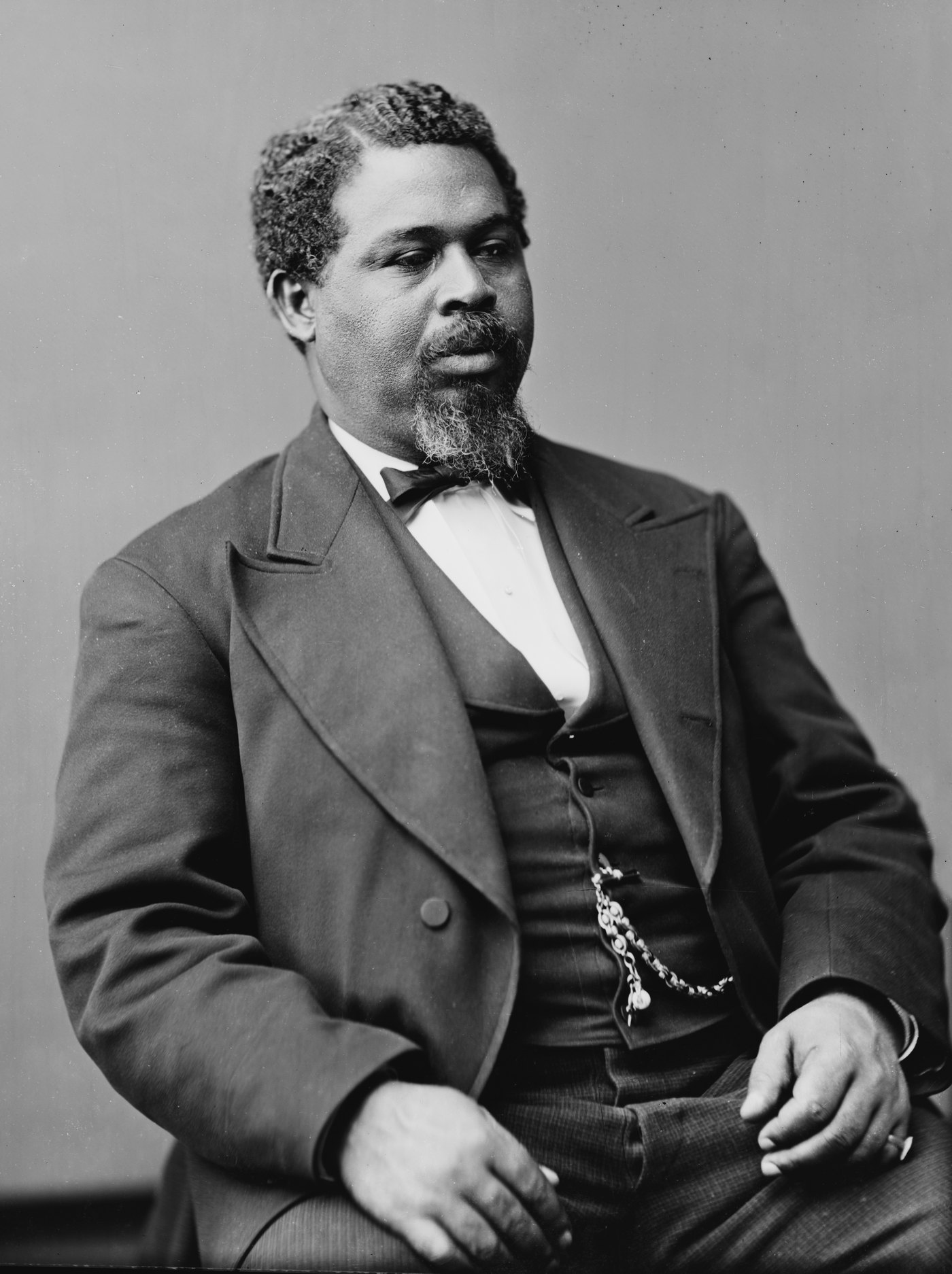
Before dawn on May 13, 1862, an enslaved harbor pilot took command of a Confederate steamer, carried his family and crew past Fort Sumter, and delivered the vessel to the Union blockade. Robert Smalls did not wait for freedom to be granted — he planned and executed his own.
Some acts of freedom were granted by proclamation. Others were taken by people who studied a harbor until they knew it better than the men who claimed to own them.
Robert Smalls was born enslaved in Beaufort, South Carolina, in 1839. As a young man he was hired out to work in Charleston, where he spent years on the waterfront — as a laborer, a rigger, a sailmaker, and finally as a wheelman guiding vessels through one of the most heavily defended harbors in the Confederacy.
That work gave him an education no school in South Carolina would have offered him. He learned the channels and sandbars of Charleston Harbor, the placement of Confederate batteries, the routines of the checkpoints, and the steam-whistle signals a vessel had to sound to be waved past a fort in the dark.
The Planter
By 1862 Smalls was serving aboard the Planter, a side-wheel steamer pressed into Confederate service as a transport and dispatch vessel. The ship carried troops, guns, ammunition, and messages between Charleston and the fortifications ringing the harbor.
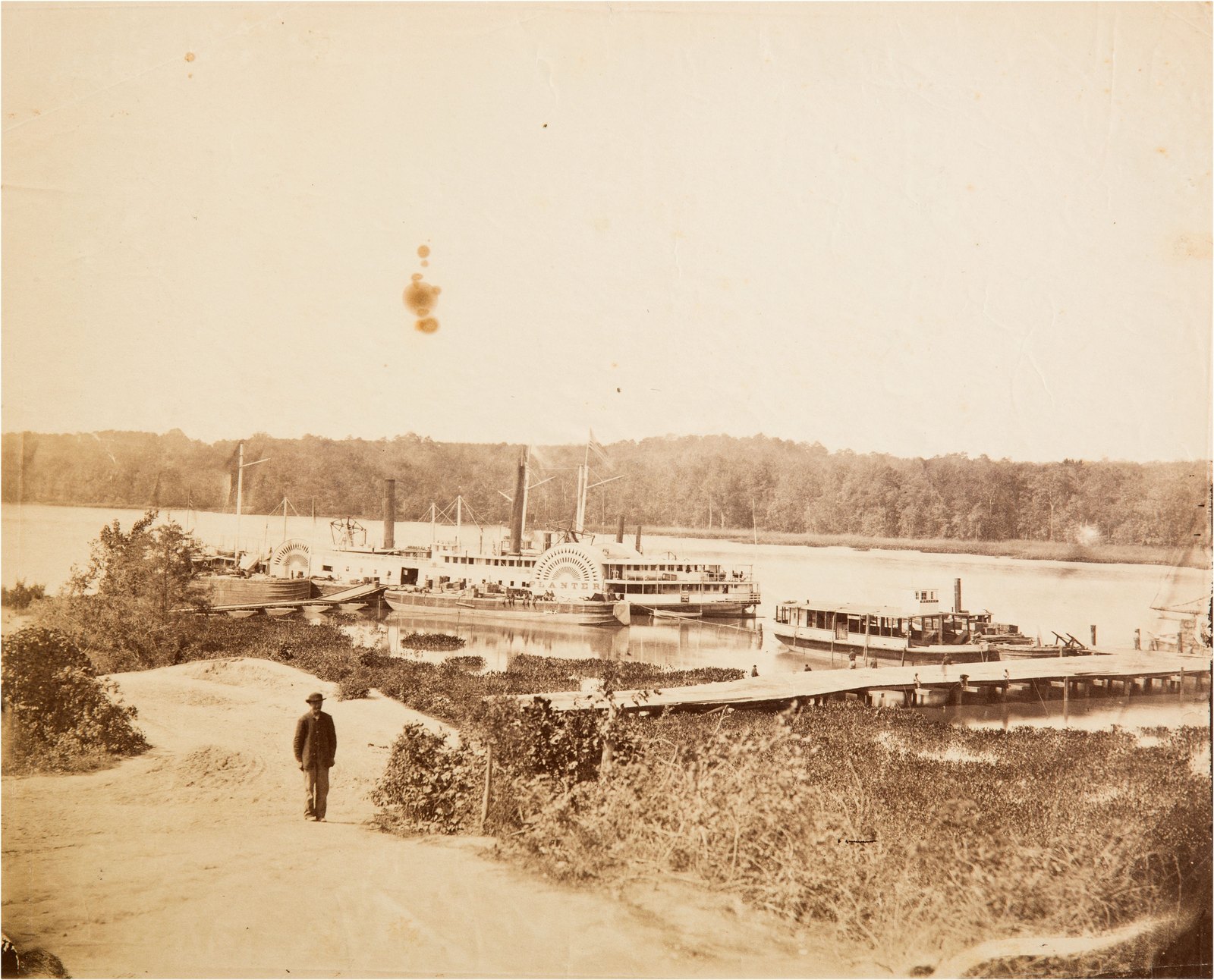
Smalls knew the Planter completely: her engine, her draft, her habits, and the signals her whistle was expected to sound. The enslaved men who worked alongside him knew her too. Together they possessed something the Confederacy had not accounted for — the practical expertise required to take a warship out of a defended harbor.
May 13, 1862
On the night of May 12, 1862, the Planter's three white officers left the vessel and went ashore, contrary to standing orders. The enslaved crew remained aboard with the ship, her cargo, and her guns.
In the early hours of May 13, Smalls and the crew took control of the Planter. They got up steam, cast off, and moved through the harbor. They stopped along the way to take on family members who were waiting to join them — including Smalls's wife and children.
Sixteen enslaved people were aboard the Planter that morning.
What followed was a test of everything Smalls had learned on the Charleston waterfront. He steered the vessel past Confederate positions, sounding the correct signals at each checkpoint so the Planter would be read as a Confederate ship going about ordinary business. Accounts of the escape record that he wore the captain's straw hat and adopted his posture in the pilothouse so that sentries watching from a distance would see what they expected to see. The Planter passed Fort Sumter and was allowed through.
Once clear of the Confederate defenses, Smalls raised a white flag and steered for the Union blockading squadron. He delivered the Planter, the sixteen people aboard, her Confederate armament and cargo, and detailed intelligence about Charleston's harbor defenses — including information on mined channels and the placement of Confederate guns.
“No one handed Robert Smalls his freedom. He planned it, piloted it, and brought fifteen other people with him.”
From Freedom to Service
Smalls did not step out of the war once he reached Union lines. His knowledge of the South Carolina coast made him immediately valuable to the United States Navy and Army, and he served as a pilot aboard United States vessels — including the Planter herself, which entered Union service.
He guided vessels through the shallow, shifting waters of the Sea Islands and the approaches to Charleston, and he supplied intelligence on Confederate fortifications that Union commanders could not have obtained elsewhere. His escape was also used publicly as an argument for enlisting Black men in the Union war effort, at a moment when that question was still being debated in Washington.
After the Civil War
After the war Smalls returned to Beaufort, where he purchased the house in which he had been enslaved. He entered public life during Reconstruction, serving as a delegate to South Carolina's 1868 constitutional convention and then in both houses of the South Carolina legislature.
He was elected to the United States House of Representatives and served portions of five congressional terms between 1875 and 1887, representing South Carolina during years when Black political power in the South was being systematically dismantled. He worked for public education and for the rights of the freedpeople of his district, and he continued to hold public office after leaving Congress. Robert Smalls died in Beaufort in 1915.
Why Robert Smalls' Story Matters
Robert Smalls' story is not a story about freedom being given. It is a story about freedom being taken by people who prepared for it.
The escape of the Planter required maritime expertise, patience, coordination among a crew who could trust one another with their lives, and the willingness to accept the consequences of failure. Every person aboard understood what capture would mean. They went anyway.
The rest of his life extends the same point. A man who was enslaved in 1861 was piloting United States vessels in 1863 and legislating in the United States Capitol in 1875. Military service, civic leadership, and the defense of a community's rights were not separate chapters of his life — they were the same work carried into new rooms.
Descendants of Heritage and Freedom℠ exists to preserve and share exactly these histories: the service, resistance, leadership, and pursuit of freedom of Black men and women whose lives helped shape the United States. Robert Smalls is remembered because the records survived. Countless others are waiting in archives, muster rolls, and pension files for someone to look.
Explore More Black Military History
- National Park Service — Robert Smalls
- Library of Congress — Robert Smalls, captain of the gun-boat “Planter” (1862)
- U.S. House of Representatives, History, Art & Archives — SMALLS, Robert
LINEAGE • LEGACY • FREEDOM
Inspired by this story?