📜 Civil War
Behind Union Lines: The Contraband Camps and the First Steps Toward Freedom
October 4, 2026 · 5 min read
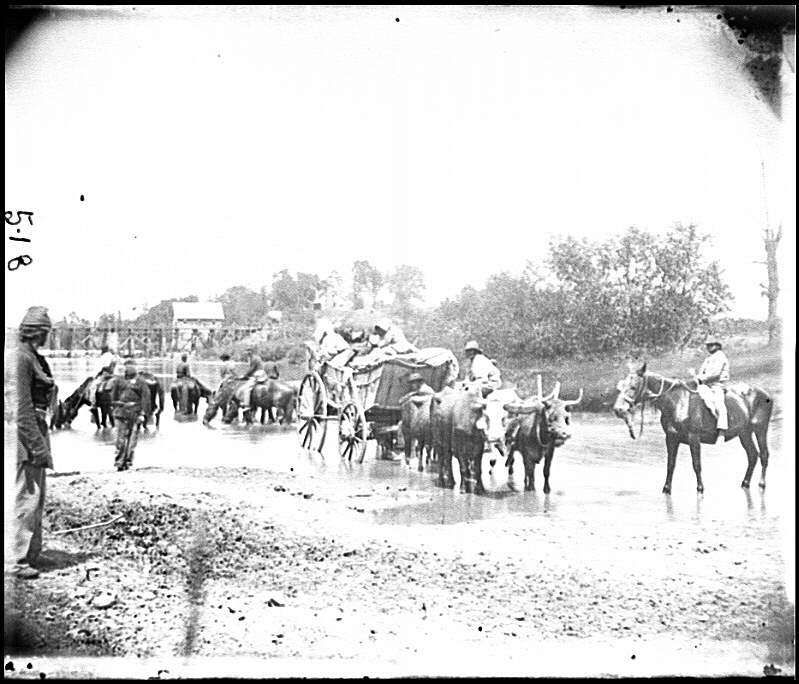
During the Civil War, thousands of enslaved men, women, and children did not simply wait for freedom to reach them. They went looking for it — and the records they left behind can still help descendants trace that journey.
During the Civil War, thousands of enslaved men, women, and children did not simply wait for freedom to reach them. They went looking for it.
In May 1861, three enslaved men—Frank Baker, Shepard Mallory, and James Townsend—escaped to Union-held Fort Monroe in Virginia. When their enslaver demanded their return, Union commander Benjamin Butler refused, arguing that because the men had been used to support the Confederate war effort, they could be considered “contraband of war.”
The decision created an opening. Soon, hundreds of other enslaved people began making their way to Fort Monroe and other Union-controlled areas.
More Than “Contraband”
The term contraband became commonly used during the war, but it does not adequately describe the people behind it.
These were freedom seekers—people who left slavery, sometimes traveling with children and family members, often at tremendous risk.
As the war continued, communities of freedom seekers developed near Union positions throughout the South and around Washington, D.C. Conditions could be harsh. Housing was often inadequate, disease was a serious threat, and many people performed difficult labor supporting the Union Army.
But something else was happening.
Families were building lives outside slavery. Schools were established. Adults found work. Children learned to read and write. At Fort Monroe, Black educator Mary Smith Peake began teaching freedom seekers in 1861.
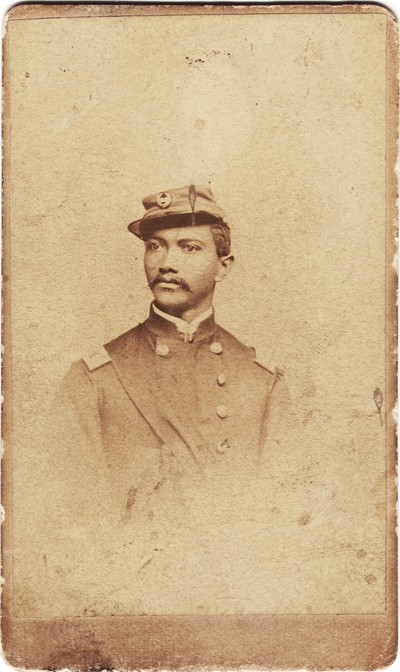
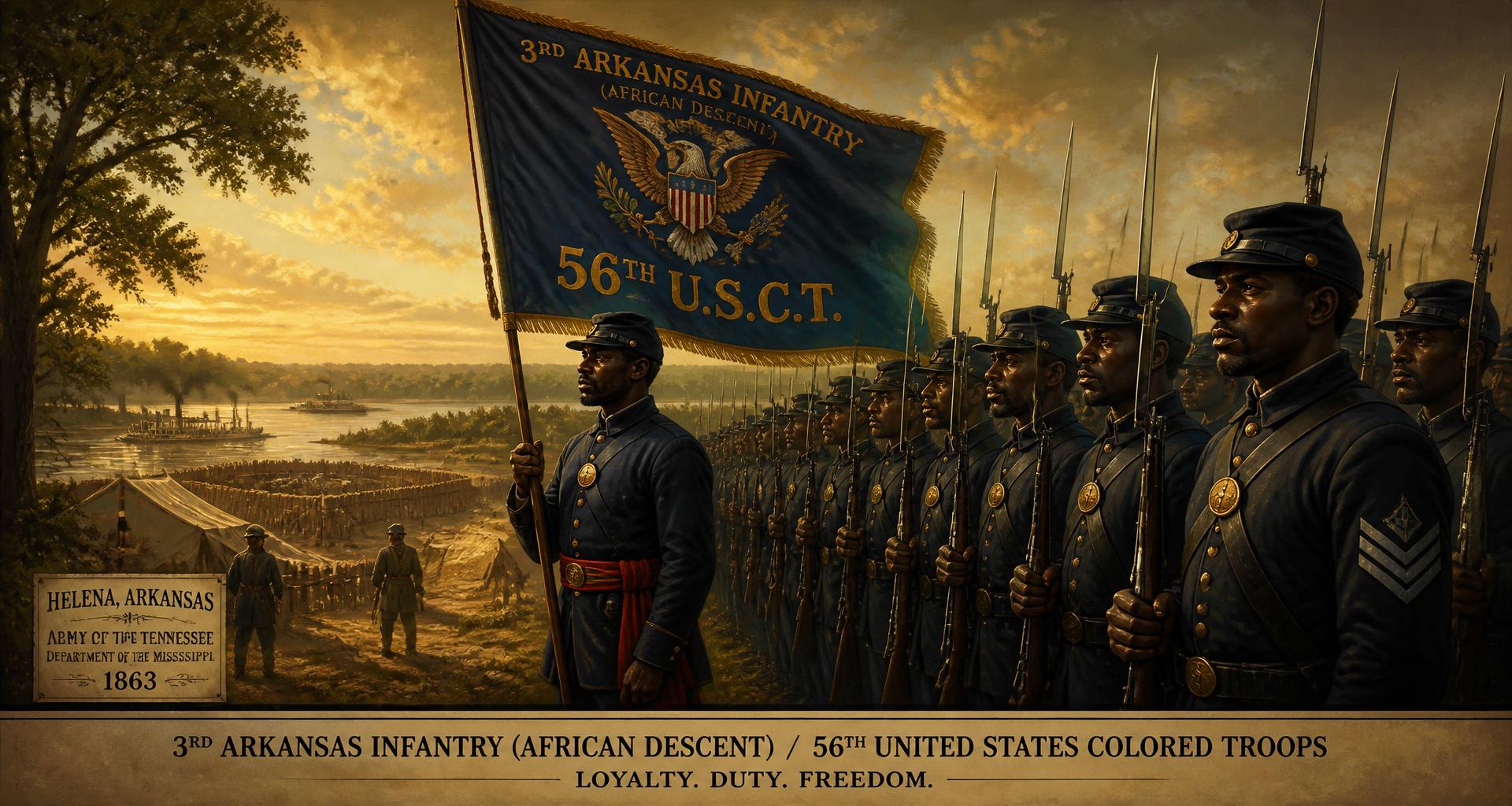
As federal policy changed, Black men increasingly entered military service. Nearly 180,000 Black men ultimately served in the United States Colored Troops, transforming both the Union war effort and the struggle for freedom.
What This Means for Family History
For descendants researching formerly enslaved ancestors, the Civil War can represent an important turning point in the historical record.
Before emancipation, an ancestor may be difficult to locate by name because enslaved people were frequently documented through records belonging to enslavers.
During and after the Civil War, new records began identifying Black Americans as soldiers, laborers, spouses, parents, students, patients, and citizens.
They Were Not Waiting for Freedom
The people who reached Union lines were not simply passive recipients of emancipation.
They walked away from slavery. They crossed rivers and military lines. They carried children. They rebuilt families and communities. And some eventually put on the uniform of the United States.
“Freedom was not only something proclaimed. Black Americans actively pursued it.”
For their descendants, the records left behind may still tell the story of that journey.
Lineage • Legacy • Freedom
Sources & Further Reading
- National Park Service — Fort Monroe National Monument: History & Culture
- National Archives — Black Soldiers in the Civil War
- National Archives — African American Heritage: Freedmen’s Bureau Records
- National Archives — Freedman’s Savings and Trust Company Records
- Library of Congress — “Fugitive African Americans fording the Rappahannock River” (1862)
Inspired by this story?