📜 Civil War
The War Ended. His Story Didn't.
August 31, 2026 · 6 min read
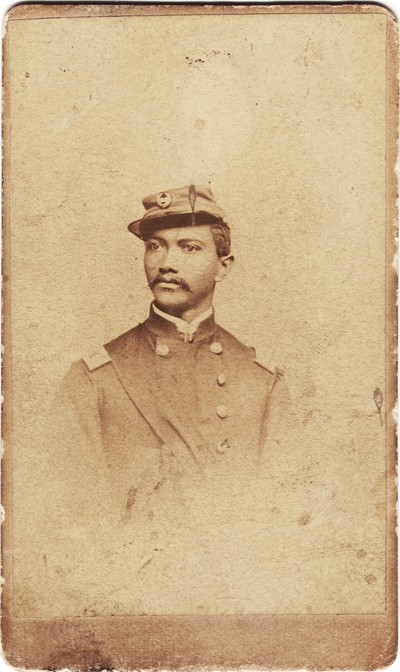
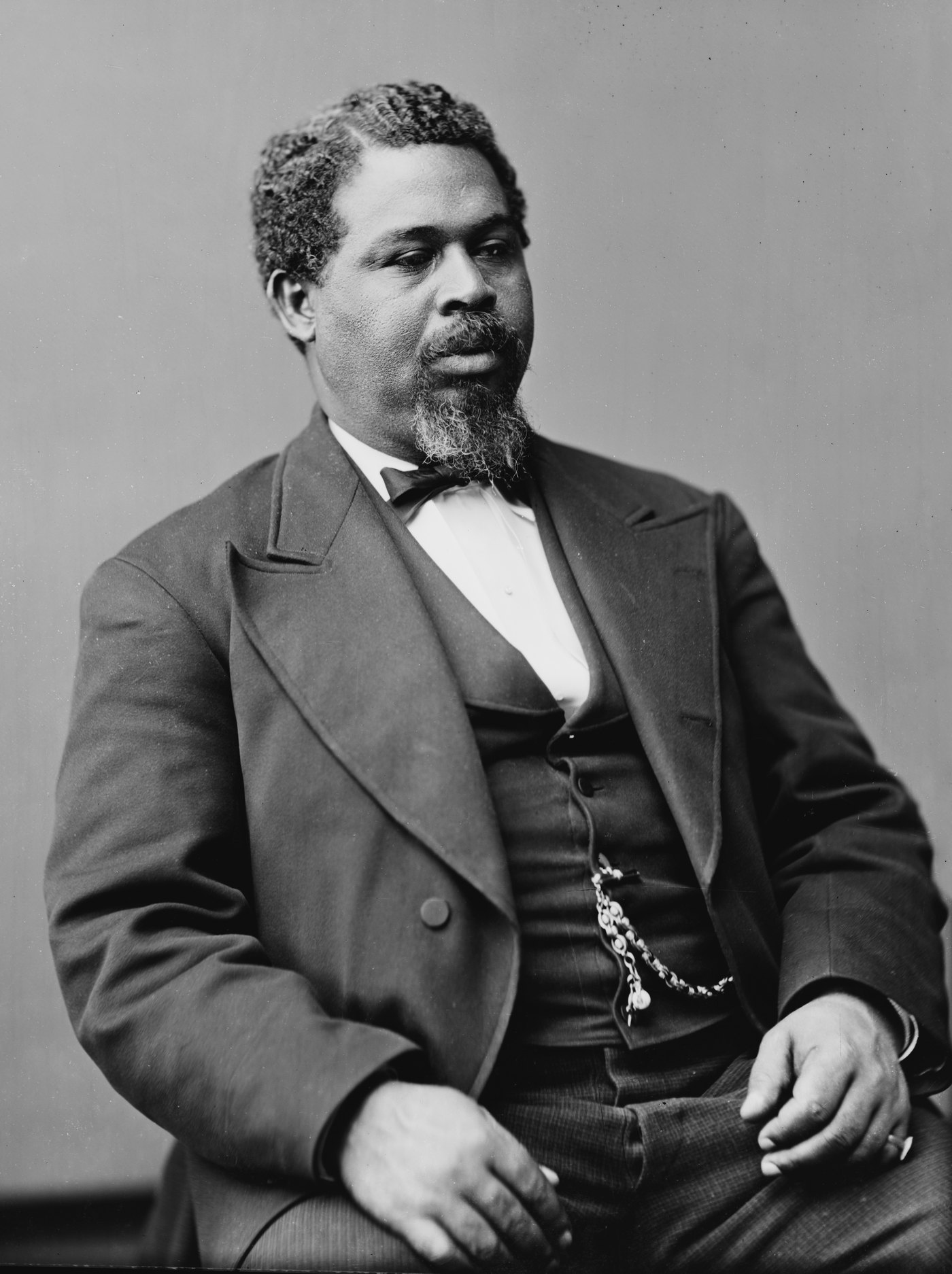
Dr. Alexander T. Augusta: From Civil War Surgeon to Medical Pioneer. Commissioned as a Union Army surgeon with the United States Colored Troops, Augusta went on to become the first African American professor of medicine in the United States — proof that African American military history does not end when military service ends.
Military histories often end when the war ends. We learn when a soldier enlisted, where he served, what unit he belonged to, and when he left military service. But for the men who survived, the uniform represented only one chapter of a much longer life.
Few lives demonstrate that more powerfully than Dr. Alexander Thomas Augusta.
Augusta served the Union Army during the Civil War as a commissioned surgeon with the United States Colored Troops. But when the war ended, his work did not. His postwar career would place him at the forefront of medicine, medical education, and the continuing struggle of African Americans for professional equality.
A Physician Before the Uniform
Alexander Thomas Augusta was born in Norfolk, Virginia, in 1825. Denied the opportunity to pursue formal medical education in the United States because of racial discrimination, Augusta eventually studied medicine at Trinity College in Toronto, Canada.
He established himself as a physician in Canada before returning to the United States during the Civil War. After President Abraham Lincoln issued the Emancipation Proclamation, Augusta offered his medical expertise to the Union Army.
Dr. Augusta Goes to War
In 1863, Augusta was commissioned as a surgeon in the Union Army with the rank of major and was assigned to the 7th United States Colored Infantry. His commission placed a Black physician in the extraordinary position of serving as a commissioned officer during a period when African Americans faced pervasive discrimination both inside and outside the military.
Augusta became one of a small number of African American physicians commissioned as Union Army officers during the Civil War. He also served as surgeon in charge of Camp Barker's hospital in Washington, D.C., caring for African American refugees and formerly enslaved people who had come into Union-controlled territory.
His military rank did not protect him from racism. Augusta encountered discrimination from white officers and civilians even while wearing the uniform of the United States Army.
“The uniform could establish his rank. It could not guarantee his equality.”
The War Ended. His Work Didn't.
When the Civil War ended, Augusta did not disappear from the historical record. He continued practicing medicine and became associated with the medical work of the Freedmen's Bureau. His career increasingly connected medicine with another powerful means of advancing opportunity: education.
In 1868, Augusta joined the faculty of Howard University's newly established medical department. He became the first African American professor of medicine at Howard and is recognized as the first Black professor of medicine in the United States.
Now the physician who had once been denied medical education because of his race was helping educate a new generation of physicians.
Breaking Barriers After the Battlefield
Augusta continued confronting racial barriers after his military service. Black physicians were excluded from prominent white medical organizations and professional networks. Rather than allowing those exclusions to end his professional participation, Augusta became involved in efforts to create opportunities for Black physicians and to challenge racial discrimination within medicine.
His postwar story demonstrates an important truth about African American military history: military service did not guarantee equality when Black veterans returned to civilian life. The struggle continued in hospitals, universities, workplaces, voting booths, neighborhoods, professional organizations, and communities throughout the country.
From Soldier to Legacy
Physician → Union Army Surgeon → Veteran → Educator → Medical Pioneer → Legacy
Alexander Augusta's military service was remarkable. But it was not the conclusion of his story. The physician who served African American soldiers and refugees during the Civil War went on to educate physicians and challenge barriers facing Black medical professionals.
His life reminds us that understanding African American military history requires us to ask what happened after the uniform came off.
Look Beyond the Uniform
Augusta's accomplishments were extraordinary, but the question raised by his life applies to thousands of African American veterans. What happened after they came home?
Some became farmers. Some became craftsmen and laborers. Some became ministers. Some became educators. Some established businesses. Some purchased land. Some participated in political and civic life. Some built churches and community institutions. Many raised families whose descendants are living today.
Military service tells us how they served. Their postwar lives tell us what they built.
The Veteran Became the Ancestor
Military history frequently preserves the soldier. Genealogy can help us rediscover the person who came home.
Census records, pension files, marriage records, property records, newspapers, church records, cemetery records, city directories, Freedmen's Bureau records, probate files, and other historical sources can reveal what happened after military service ended.
They can help answer: Where did he live after the war? What work did he do? Did he marry? Who were his children? Where did his family settle? What role did he play in his community? What happened to the generations that followed him?
The War Ended. Their Stories Didn't.
The soldier became the veteran. The veteran returned to a family and community. The veteran became an ancestor. And the story continued through generations.
Military history tells us how they served. Family history helps us understand how they lived. Preserving both allows us to understand their full legacy.
“Lineage • Legacy • Freedom”
Sources & Further Reading
- Dr. Alexander Augusta — Ford's Theatre National Historic Site (National Park Service)
- Alexander Thomas Augusta, M.D., Howard's Founding Professor of Medicine — Howard University
- In Uniform — Binding Wounds, Pushing Boundaries, U.S. National Library of Medicine
- Alexander Thomas Augusta — The Canadian Encyclopedia
Inspired by this story?