📜 Civil War
Black Men in the Confederacy
September 15, 2026 · 10 min read
Were there really Black Confederate soldiers? The historical record reveals a much more complicated story of soldiers, servants, enslaved laborers, military records, and the difference between presence and allegiance.
Were there Black men in the Confederate Army?
Yes.
But were thousands of Black men willingly enlisted and fighting as Confederate soldiers throughout the Civil War?
The historical record tells a very different story.
Black men were present throughout Confederate armies and military installations. They cooked meals, drove wagons, tended horses, cared for wounded soldiers, built fortifications, worked in arsenals, transported supplies, and accompanied Confederate officers into the field.
Some were free Black men.
Many others were enslaved men whose labor was compelled.
Understanding the difference between being present with an army, working for an army, and being legally enlisted as a soldier in that army is essential to understanding this history.
The Black Men Behind Confederate Lines
From the beginning of the Civil War, Confederate armies depended heavily upon Black labor.
Enslaved men were impressed into Confederate service as laborers, cooks, teamsters, hospital attendants, body servants, craftsmen, and workers on military fortifications.
Their presence is not speculation. The Confederate government documented it.
Today, the National Archives holds nearly 6,000 records known as the Confederate Slave Payrolls. These records identify enslaved people hired or impressed to perform work for the Confederate military.
They also reveal something particularly important: the wages recorded for enslaved workers generally were not paid to the people performing the labor.
They were paid to their enslavers.
One surviving record, for example, identifies an enslaved man named Ben who worked as a cook for Confederate forces at Pinners Point, Virginia, in March 1862. His labor was valued at sixty cents per day — but the money went to his owner.
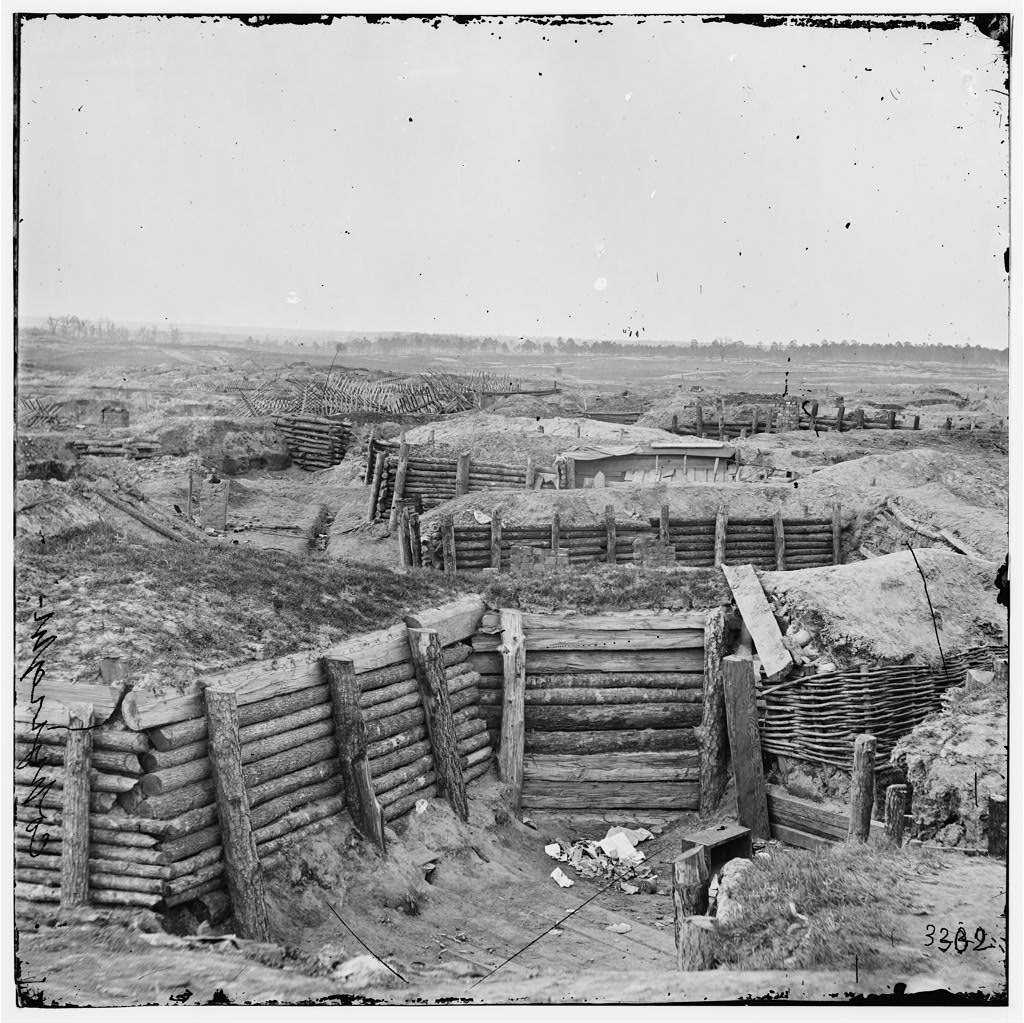
Other records identify enslaved people digging trenches, constructing defenses, working in arsenals and ordnance facilities, mining materials necessary for gunpowder, and performing other work essential to the Confederate war effort.
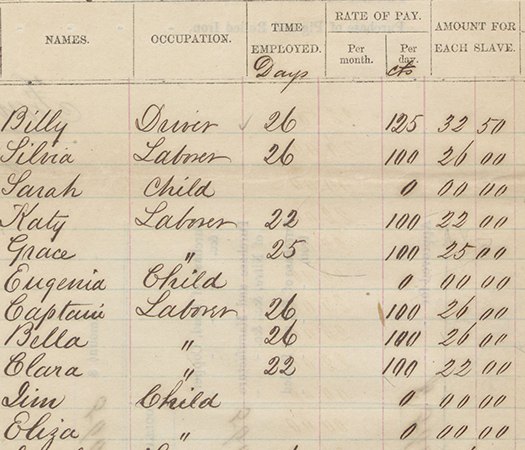
Their labor supported an army.
That did not necessarily make them soldiers.
Could a Black Man Have Picked Up a Gun?
Almost certainly.
War is chaotic, and historical evidence includes accounts suggesting that individual Black men attached to Confederate forces sometimes carried weapons or participated in fighting.
But an individual picking up a weapon during a battle is different from being legally enlisted, mustered, assigned to a regiment, and recognized by the Confederate government as a soldier.
That distinction becomes particularly important when examining claims that large numbers of Black Confederate soldiers fought throughout the war.
For most of the Civil War, Confederate military regulations restricted military service as soldiers to white men.
The Confederate government's own actions demonstrate this.
When Black men attempted to offer themselves for Confederate military service earlier in the war, Confederate authorities rejected efforts to employ them as armed soldiers. Black men could be used as laborers and in other subordinate capacities — but not as legally recognized combat soldiers.
Then, in 1865, something extraordinary happened.
March 1865: The Confederacy Changes the Rules
By early 1865, the Confederacy was facing catastrophic manpower shortages and military defeat.
The question that Confederate leaders had resisted for years became unavoidable:
Should enslaved Black men be armed?
The proposal generated fierce debate because it struck at one of the fundamental contradictions of the Confederacy itself. A government built upon racial slavery was now considering placing weapons into the hands of the very men it held in bondage.
On March 13, 1865, the Confederate Congress authorized the recruitment of Black men for military service.
Ten days later, Confederate General Orders No. 14 established procedures for recruiting them.
The timing matters.
Richmond fell on April 3.
Robert E. Lee surrendered the Army of Northern Virginia at Appomattox Court House on April 9.
The Confederacy had waited until the final weeks of its existence to legally authorize Black soldiers.
Even then, the legislation did not automatically free an enslaved man who entered Confederate military service. The act specifically protected the existing legal relationship between enslaved people and their enslavers unless the owner and state consented to changing it.
President Jefferson Davis subsequently ordered that enslaved recruits receive their owners' consent and documentation granting them, as far as possible, the rights of freedmen.
Only a small number of Black recruits were assembled in Richmond before the Confederate capital fell.
Their experiment as legally authorized Black Confederate soldiers lasted less than thirty days.
So Where Did the Story of Thousands of “Black Confederate Soldiers” Come From?
Part of the answer lies in the way Civil War memory developed after the war.
Photographs, veterans' reunions, newspaper stories, pension applications, and accounts of formerly enslaved body servants were sometimes interpreted — or later reinterpreted — as evidence that large numbers of Black men had been Confederate soldiers.
But the records require more careful reading.
A man who spent four years accompanying a Confederate officer might truthfully say that he had been “with the army.”
He might have marched with soldiers.
He might have slept in military camps.
He might have endured artillery fire.
He might even have carried a weapon at some point.
Yet none of those facts alone establish that he was an enlisted Confederate soldier.
For historians and genealogists, the type of record matters.
The Genealogist's Question: What Does the Record Actually Say?
When researching a Black ancestor associated with the Confederacy, the question should not simply be:
“Was he Confederate?”
Instead, ask:
“What was his documented status?”
Researchers should look for evidence such as compiled military service records; muster rolls and regimental records; Confederate slave payrolls; labor impressment records; hospital or quartermaster records; pension applications; postwar census records; Freedmen's Bureau records; and newspapers and veterans' reunion accounts.
Read the terminology carefully.
Words such as servant, cook, laborer, teamster, body servant, hired slave, impressed slave, and soldier do not describe interchangeable statuses.
This distinction can completely change the story of an ancestor.
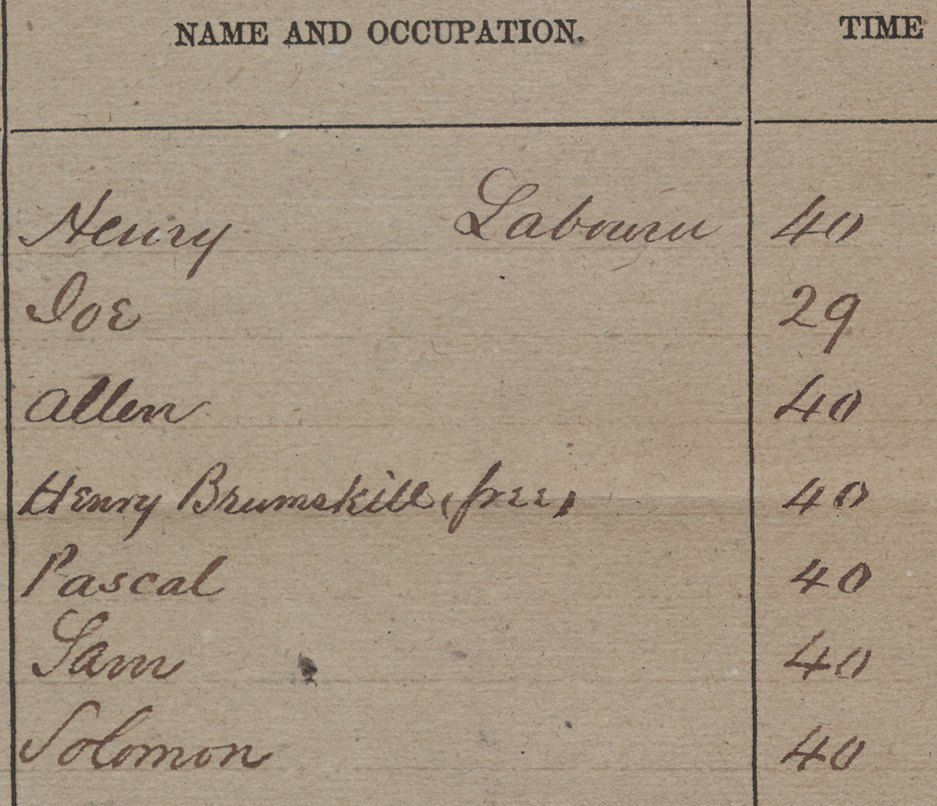
A record showing that an enslaved man spent months constructing Confederate fortifications is evidence of his presence within the Confederate military system.
It is not necessarily evidence of allegiance to the Confederate cause.
Meanwhile, Another Black Military Story Was Unfolding
While the Confederacy relied extensively upon Black labor but prohibited Black men from becoming soldiers for most of the war, the United States government moved toward formally enlisting Black troops.
On May 22, 1863, the U.S. War Department issued General Order No. 143, establishing the Bureau of Colored Troops.
By the end of the Civil War, approximately 179,000 Black men had served in the United States Army, representing roughly ten percent of Union soldiers. Another approximately 19,000 Black men served in the United States Navy.
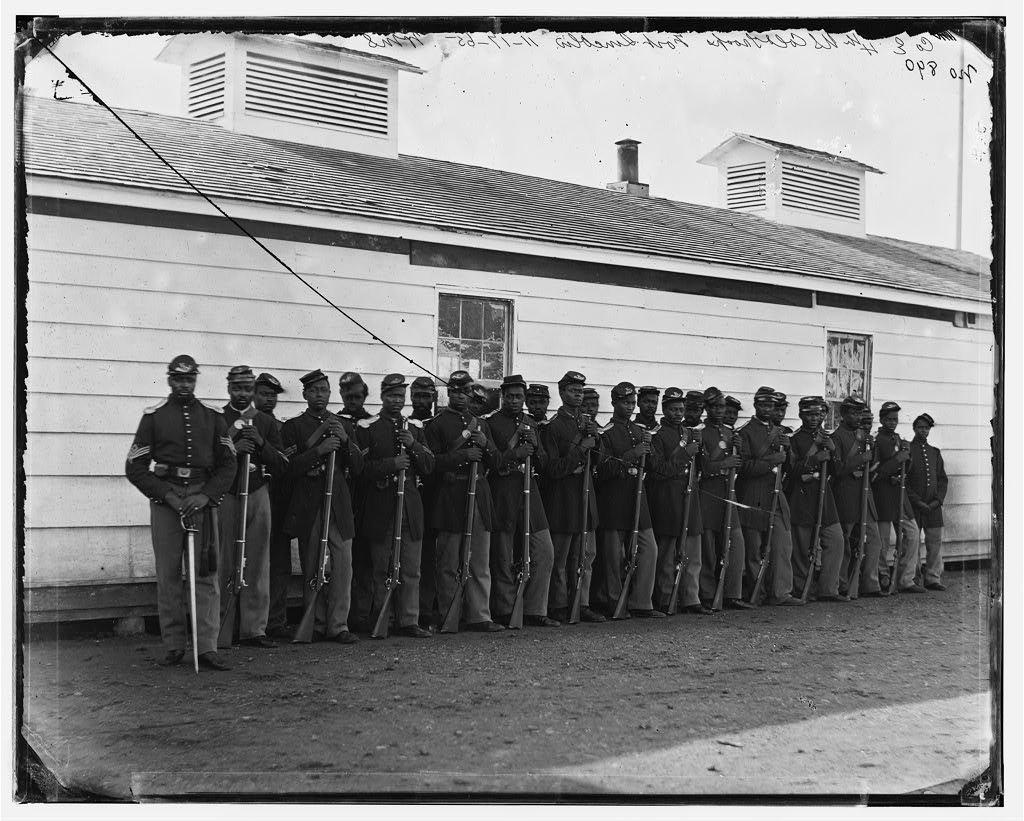
They served despite unequal treatment, discriminatory pay during part of the war, segregation, and the knowledge that capture by Confederate forces could expose them to enslavement or death.
Their military service produced the kinds of records genealogists recognize today: enlistments, muster rolls, regimental assignments, compiled military service records, pension files, casualty records, and other documentation of formal military service.
Among them were men whose descendants would spend generations preserving the memory of their service.
Presence Is Not Allegiance
Perhaps that is the most important lesson contained in this history.
A Black man's presence in a Confederate military camp does not, by itself, tell us what he believed.
A payroll does not tell us whether he wanted to be there.
A photograph beside a Confederate officer does not tell us whether the relationship was voluntary.
And a pension issued decades later must be understood according to the laws and categories under which that pension was granted.
Historical records tell stories — but only when we ask the right questions of them.
The Black men who labored inside the Confederate war machine deserve to be remembered. Their experiences included enslavement, coercion, survival, complicated choices, and, in some cases, circumstances that remain difficult to reconstruct more than 160 years later.
Acknowledging those men does not require turning them into something the records do not establish.
It requires something more important:
Seeing them clearly.
Sources & Further Reading
- National Archives — Confederate Slave Payrolls Shed Light on Lives of 19th-Century African American Families
- National Archives — War Department General Order 143: Creation of the U.S. Colored Troops
- National Archives — Black Soldiers in the U.S. Military During the Civil War
- National Park Service, Richmond National Battlefield Park — Arming the Enslaved? March 13, 1865
Inspired by this story?