🕊️ Women in African American Military History
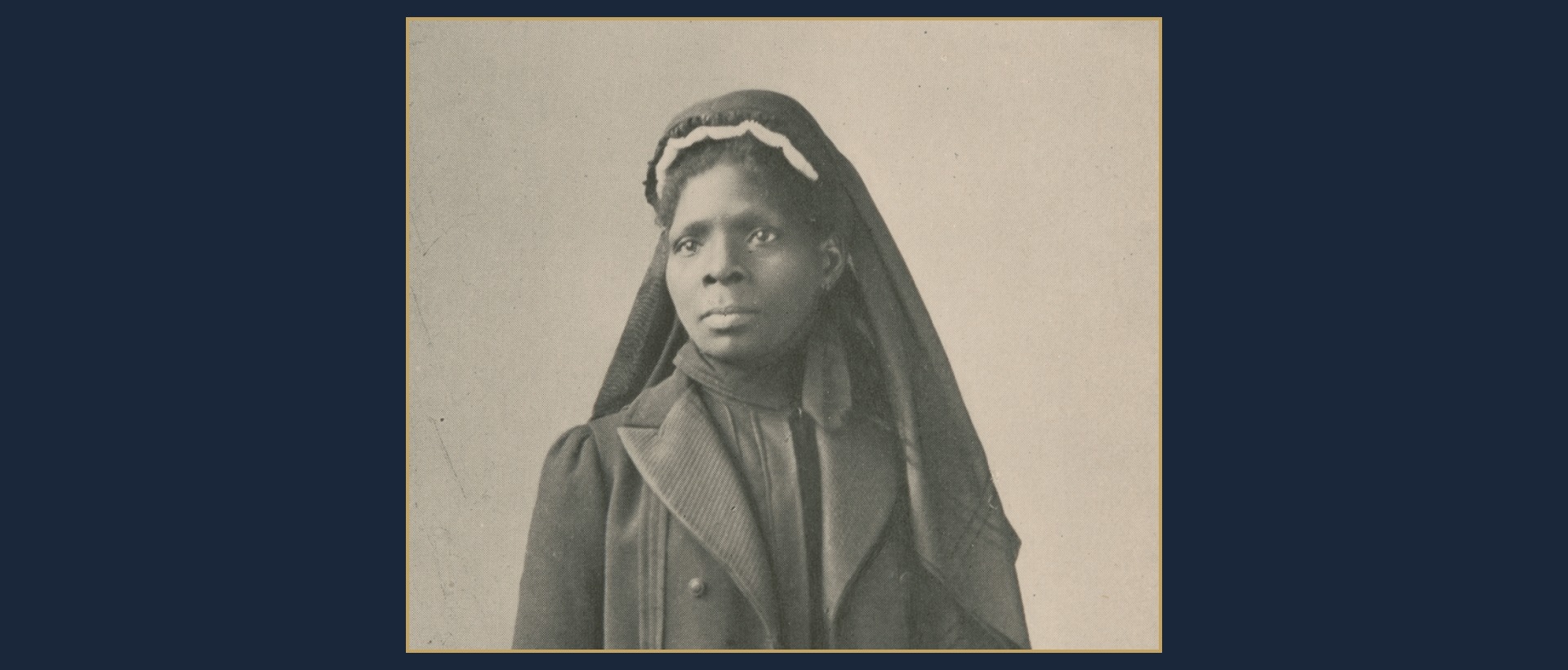
Susie King Taylor: Healing, Teaching, and Preserving the Story of the 33rd USCT
August 23, 2026 · 5 min read
During the Civil War, Susie King Taylor served beside Black Union soldiers as a nurse, laundress, and teacher. Decades later, she ensured that their experiences—and her own—would not disappear from history.
From Enslavement to Education
Susie Baker, later known as Susie King Taylor, was born into slavery near Savannah, Georgia, in 1848. As a child, she lived with her grandmother in Savannah and attended secret schools operated by free Black women. Georgia law prohibited the education of enslaved people, so learning to read and write required both courage and secrecy.
The education Taylor received would become one of her most powerful tools.
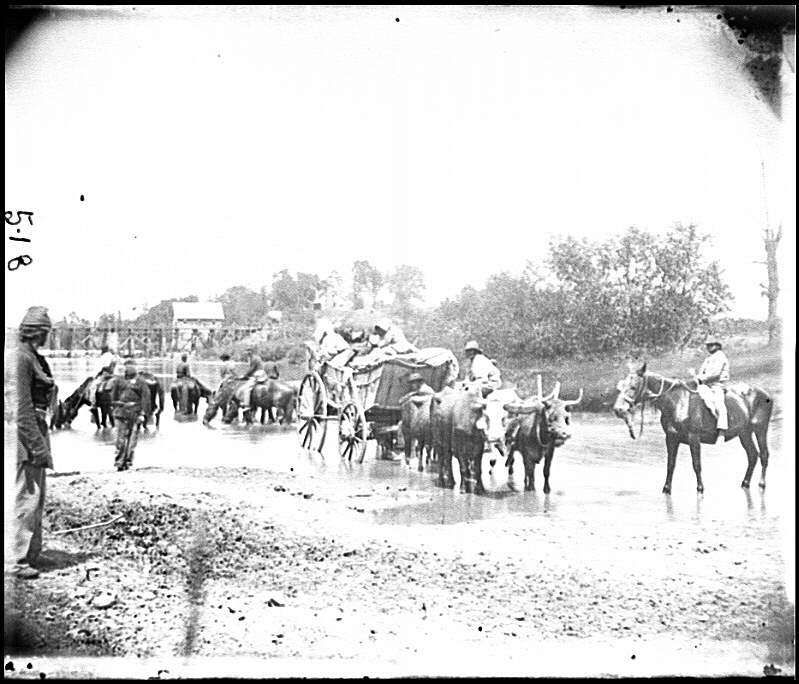
In April 1862, Union forces captured Fort Pulaski near Savannah. Fourteen-year-old Susie and members of her family escaped to Union-controlled territory, eventually reaching St. Simons Island. Union officers quickly discovered that she could read and write—skills that were uncommon among people who had been denied legal access to education.
Taylor soon opened a school for formerly enslaved children and adults. During the day, she taught children. At night, adults gathered to learn from her.
She was still a teenager.
Serving With Black Union Troops
On St. Simons Island, Taylor became connected with the 1st South Carolina Volunteers, one of the earliest federally authorized Black regiments of the Civil War. The unit was composed primarily of formerly enslaved men from South Carolina and the surrounding region.
In 1864, the regiment was redesignated as the 33rd United States Colored Troops.
Taylor traveled with the soldiers for several years, serving as a laundress and nurse without receiving the military rank, recognition, or regular compensation afforded to enlisted soldiers. She cleaned and dressed wounds, cared for sick soldiers, prepared food, washed clothing, and assisted the men wherever she was needed.
She also continued teaching.
Many of the soldiers had been denied the opportunity to learn to read and write while enslaved. Taylor helped provide that education even as the regiment moved through dangerous military territory.
“Black military service extended beyond the battlefield. Teachers, nurses, cooks, laundresses, laborers, scouts, and families all contributed to the fight for freedom.”
Witnessing the Cost of War
Taylor witnessed disease, injury, exhaustion, and death. She cared for soldiers suffering from wounds and illnesses such as smallpox. Despite the risk to her own health, she continued working among them.
The 33rd USCT served along the Atlantic coast, operating in areas of South Carolina, Georgia, and Florida. The regiment performed military duties while also representing something revolutionary: formerly enslaved Black men wearing United States uniforms and participating directly in the destruction of slavery.
Taylor stood beside them—not simply as an observer, but as an essential member of the community that sustained them.
Her presence also challenged the limited roles assigned to Black women. She was a teenager who had escaped slavery, established schools, cared for soldiers, traveled with a military regiment, and recorded what she witnessed.
Preserving the Story in Her Own Words
In 1902, Taylor published Reminiscences of My Life in Camp with the 33d United States Colored Troops, Late 1st S.C. Volunteers.
Her memoir documented her childhood under slavery, escape to freedom, wartime service, and experiences during the decades that followed. It also preserved details about the soldiers of the 33rd USCT that might otherwise have been lost.
Taylor did more than remember history—she created a historical record.
Her writing allowed a Black woman who had experienced slavery and war to tell her own story in her own voice. Rather than leaving others to define her contributions, she documented the work she performed, the people she encountered, and the changes she witnessed.
Her memoir remains an invaluable firsthand account of Black life and military service during the Civil War.
A Legacy of Service and Preservation
Susie King Taylor’s story stands at the intersection of education, military history, freedom, and preservation.
She used education to strengthen people who had been denied it. She used her knowledge to care for Black soldiers fighting for the Union. Later, she used the written word to protect their history from being forgotten.
Her life also raises important questions about whose service receives recognition. Taylor performed difficult and dangerous work, yet she did not receive the formal status or compensation that fully reflected her contributions.
Today, her memoir helps restore her rightful place in history.
Why Her Story Matters
The history of the United States Colored Troops is not only the history of the men whose names appeared on military rolls. It also includes the Black women who nursed them, taught them, fed them, traveled with them, supported their families, and preserved their stories.
Susie King Taylor understood something that remains central to the mission of Descendants of Heritage and Freedom: history cannot be honored if it is not first remembered, documented, and shared.
Through her service and her writing, she ensured that future generations would have more than a list of battles and military units. She left them a human account of courage, learning, hardship, and freedom.
“Her story survives because she chose to preserve it.”
Sources and Further Reading
Inspired by this story?